
Articles
Category
How Much Does It Cost To Replace Your Roof in 2026?
9 minute Read

Posted 9.10.26

A new roof is one of the biggest investments a homeowner will make, and it is natural to want a clear roof replacement estimate before committing to the project. The truth is that the cost to replace your roof depends on several factors that vary from house to house, which is why national averages only tell part of the story. Understanding those factors ahead of time, including your home’s location and the condition of your existing roof, makes it much easier to plan a budget and avoid surprises once a professional gets a closer look at your home. This guide breaks down what actually drives roof installation pricing in 2026, so you can walk into the process with realistic expectations about the actual cost involved.
What you’ll learn in this guide:
- What the average roof replacement costs nationwide in 2026
- The main factors that make one roofing project more expensive than another
- How different roofing materials compare on cost and lifespan
- What is typically included in a full roof replacement
- Signs that your existing roofing material may need to be replaced
- How to plan ahead so the final bill does not catch you off guard
Why Roof Replacement Cost Matters
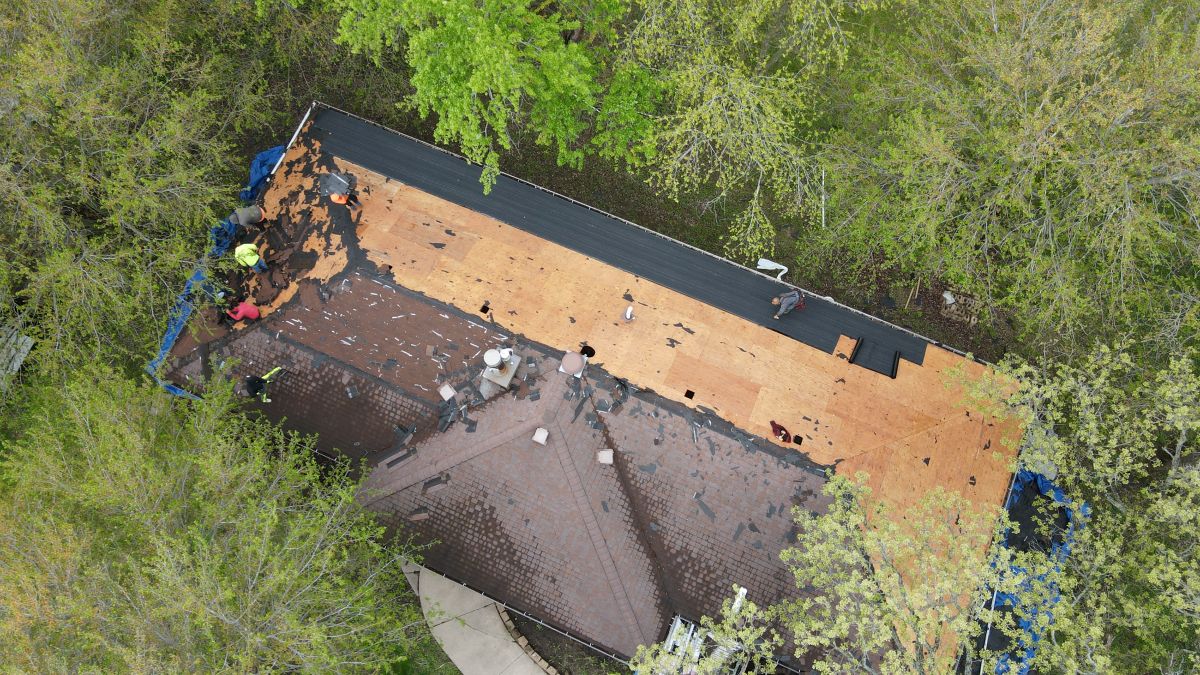
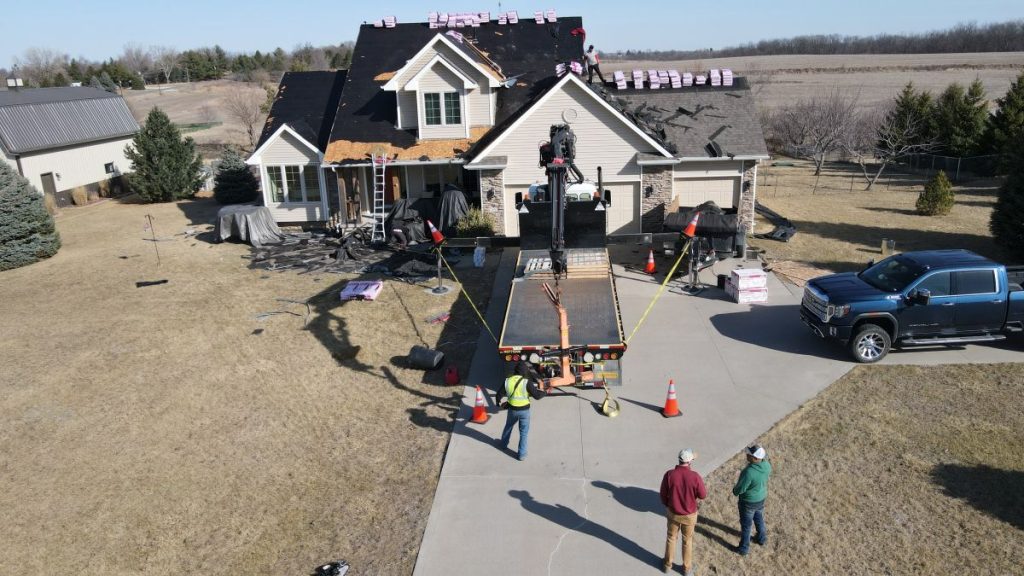
Most homeowners only replace a roof once or twice in the time they own a home, so there is rarely a built in sense of what a fair price should look like. Roof replacement costs across the country range widely, from around $5,800 on the low end to well over $30,000 for larger or more complex projects, and most homeowners land somewhere between $9,000 and $18,000 for a standard asphalt shingle roof. Knowing what drives that range helps you avoid overpaying and gives you a way to evaluate whether a quote makes sense for your specific home. Visible damage like curling or cracking shingles, along with water leaks showing up in the attic, are common signs a full roof replacement is needed rather than a simple repair.
- Budget Planning: Understanding typical price ranges helps you set realistic expectations before requesting quotes.
- Smarter Comparisons: Knowing which factors affect cost makes it easier to compare estimates from different roofers.
- Long Term Value: Balancing upfront cost against material lifespan can save money over the life of the roof.
- Avoiding Surprises: Knowing what is typically included in a quote helps you spot hidden fees or missing line items.
Skipping this research often leads homeowners to choose based on price alone, which can mean settling for lower quality materials or an incomplete scope of work. Getting multiple quotes and comparing the overall cost against what each roofing company actually includes leads to a much smoother experience once the project begins, and it also makes conversations with contractors far more productive since you already know which questions to ask.
5 Factors That Determine Your Roof Replacement Cost
Roof replacement pricing is not one fixed number, since several variables combine to shape the final quote. The factors below explain why two homes of a similar size can still end up with very different price tags once the project is complete.
1. Roof Size
The larger your roof’s square footage, the more materials and labor are required, which makes size one of the biggest cost drivers. Roofing is typically priced by the roofing square, meaning 100 square feet of roof surface, with materials generally running from about $4 to $11 per square foot depending on the product chosen.
- A single story roof with 1,500 square feet often falls between $6,000 and $16,500
- A 2,500 square foot roof often falls between $10,000 and $27,500
- More square footage, and multi-story homes in particular, naturally push costs toward the higher end
2. Roofing Material
Material choice has one of the largest impacts on total price, since options range from an affordable roofing material to premium products. Asphalt shingles, including architectural shingles, remain the most common and affordable choice for most homes, largely because they balance a reasonable upfront cost with straightforward installation and are naturally fire resistant. Metal, wood, and tile all come with higher price points but longer expected lifespans, which can make them a better long term value even though the initial bill is larger. If your existing roofing material is still in decent shape, a partial roof replacement of just the damaged section may also be worth discussing with your contractor instead of replacing the entire roof.
- Asphalt shingles offer the lowest upfront cost and widest availability, typically $3 to $6 per square foot
- Metal roofing costs more, often $10,245 to $41,640 for a full replacement, but can last two to three times as long
- Clay tiles and slate sit at the premium end, often lasting a century or more
3. Roof Pitch and Complexity
A steep or complex roof takes longer to install safely and often requires additional equipment, harnesses, and staging, which increases labor costs. Roofs with multiple valleys, dormers, chimneys, skylights, or other vulnerable areas typically cost more than a simple, low slope design of the same size, since crews need extra time to work around each feature correctly. A roof with a straightforward, single slope design is generally the fastest and most affordable to replace, all else being equal.
4. Labor and Location
Labor typically makes up close to half of the total project cost, and rates vary depending on your home’s location and how in demand local roofers are. Roofers typically charge $40 to $90 per hour per worker, and labor can take longer on two-story homes since crews need more time to move materials and stage equipment safely. Homeowners in Cedar Falls and surrounding areas may see slightly different pricing than the national average based on regional labor rates and material availability.
5. Tear-Off and Prep Work
Removing an old roof before installing a new one adds both time and cost, especially if multiple layers of old shingles need to come off, generally running $0.40 to $2.00 per square foot for roof removal alone. Additional prep work like replacing damaged roof deck sections, which typically costs $2.20 to $3.00 per square foot, upgrading ventilation, or replacing valley flashing and metal drip edge can also add to the final total. Budgeting some flexibility for hidden structural damage that only becomes visible once the old shingles come off can help prevent cost overruns partway through the job.
Each of these factors interacts with the others, which is part of why two seemingly similar roof replacement quotes can look so different on paper. A detailed, in person inspection is really the only way to know which of these factors apply to your specific home, since photos or a quick drive by rarely capture pitch, layering, or decking condition accurately.
What Is Actually Included in a Full Roof Replacement
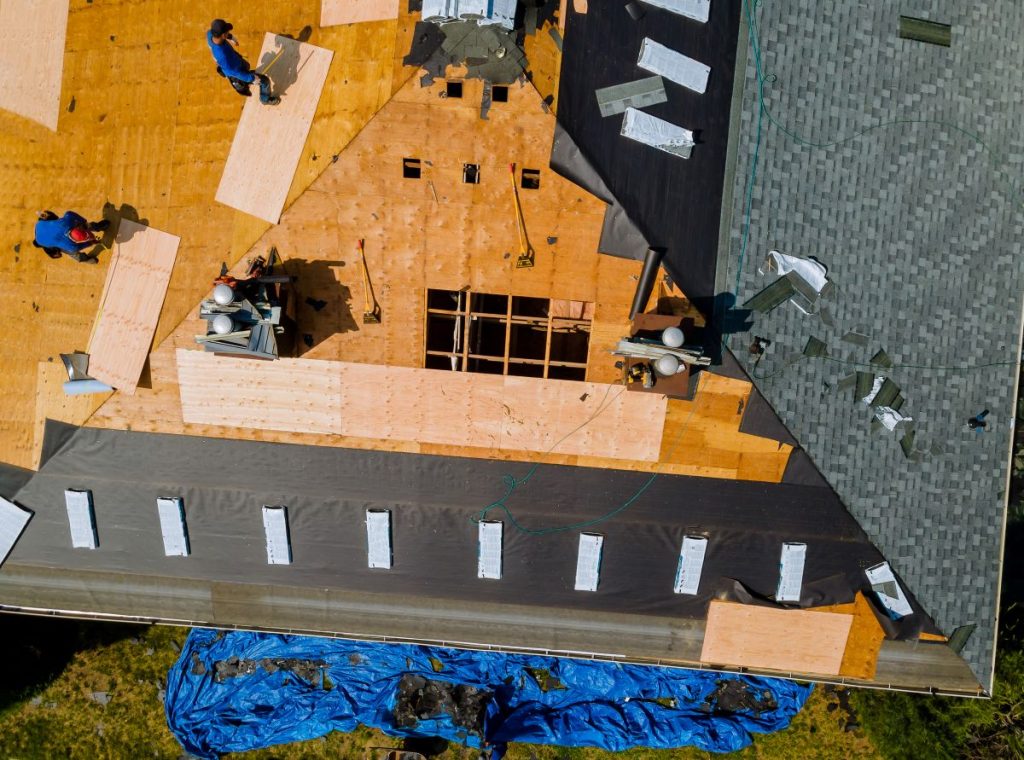
A roof replacement quote should cover far more than just shingles and nails, and understanding what belongs in that scope helps you evaluate whether a bid is complete or missing key items. Comparing contractor bids should always involve a specific breakdown of roofing system components, and contractor credentials should include active licensing and proper insurance before you sign anything. Contractors who skip steps to offer a lower price often end up costing homeowners more down the line through premature repairs or voided warranties.
- Tear-Off and Disposal: Removing the old roofing material and hauling away the debris, often using a dump truck for larger jobs.
- Deck Inspection and Repair: Checking the wood structure underneath for rot or damage before new material goes down.
- Underlayment and Flashing: Installing synthetic underlayment, which many building codes now require, along with valley flashing and metal drip edge to keep water out at seams and edges.
- New Shingles or Roofing Material: Installing the new shingles, metal panels, or tile you have chosen for the project, along with checking nearby gutters and chimneys for related damage.
- Warranty Coverage: Manufacturer and workmanship warranties that protect your investment long after installation.
A quote that leaves out any of these items may look cheaper on the surface, but it can create bigger problems later if a step gets skipped. Most full roof replacements take about three to four days from tear-off to final cleanup, and asking a contractor to walk through each part of the scope in plain terms is one of the simplest ways to protect yourself before signing anything.
Comparing Roofing Materials by Cost and Lifespan
Material choice is one of the biggest variables in any roof replacement, and it is worth looking at a general breakdown of cost alongside expected lifespan rather than price alone. A cheaper material that needs replacing again in fifteen years is not always the better deal compared to a pricier option that lasts several decades, especially if you plan to stay in your home long term.
| Material | Cost Per Square Foot | Typical Lifespan |
| Asphalt shingles | $3 to $6 | 10 to 20 years |
| Wood shakes | $6.47 to $9.12 | 30 to 50 years |
| Metal roofing | $6 to $24.50 | 40 to 70 years |
| Clay or concrete tile | $6.30 to $15.25 | 50 to 100 years |
| Slate | $10 to $30 | Up to 150 years with proper maintenance |
Choosing between these options often comes down to how long you plan to stay in your home and how much you are willing to spend upfront for lower long term maintenance. If you plan to stay in your home for decades, a higher upfront cost on a longer lasting material can actually save money over time by avoiding a second entire roof replacement. Homeowners across Cedar Falls and surrounding areas frequently weigh asphalt against metal roofing in particular, since both offer solid performance at different price points and lifespans, making the decision less about which is objectively better and more about which fits your timeline and budget.
Plan Ahead Before You Replace Your Roof
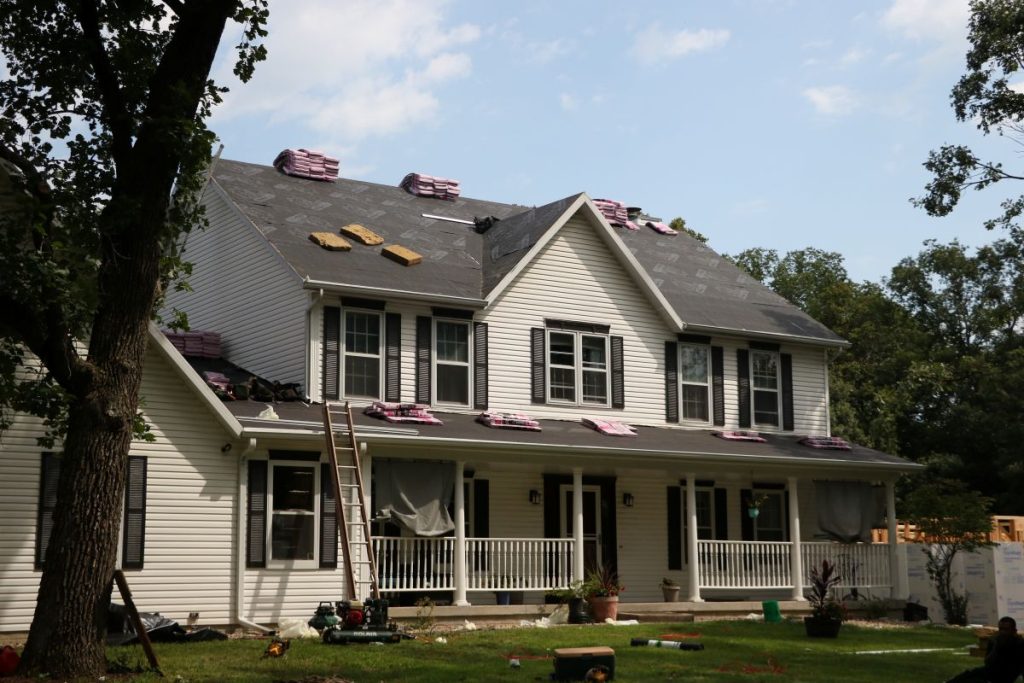
Roof replacement is a major expense, but understanding the numbers ahead of time turns a stressful decision into a manageable one. Knowing what drives cost, what should be included in a quote, and how materials compare gives you the information needed to make a confident choice rather than guessing at what a fair price looks like.
At First Fruits Construction, we believe every homeowner deserves a clear, honest breakdown of their roof replacement options before making a decision. As a roofing company that provides full property inspections and upfront pricing, we walk you through the materials, scope, and cost involved so nothing feels like a surprise later. If you are weighing whether your roof needs to be replaced, our roofers are ready to help homeowners throughout Cedar Falls and surrounding areas get clear answers. Contact us today to schedule your inspection and get a real number to work with.
Category
What Hail Actually Does to Your Roof (And Why Small Hail Is Often the Bigger Problem)
9 minute Read
Posted 9.10.26
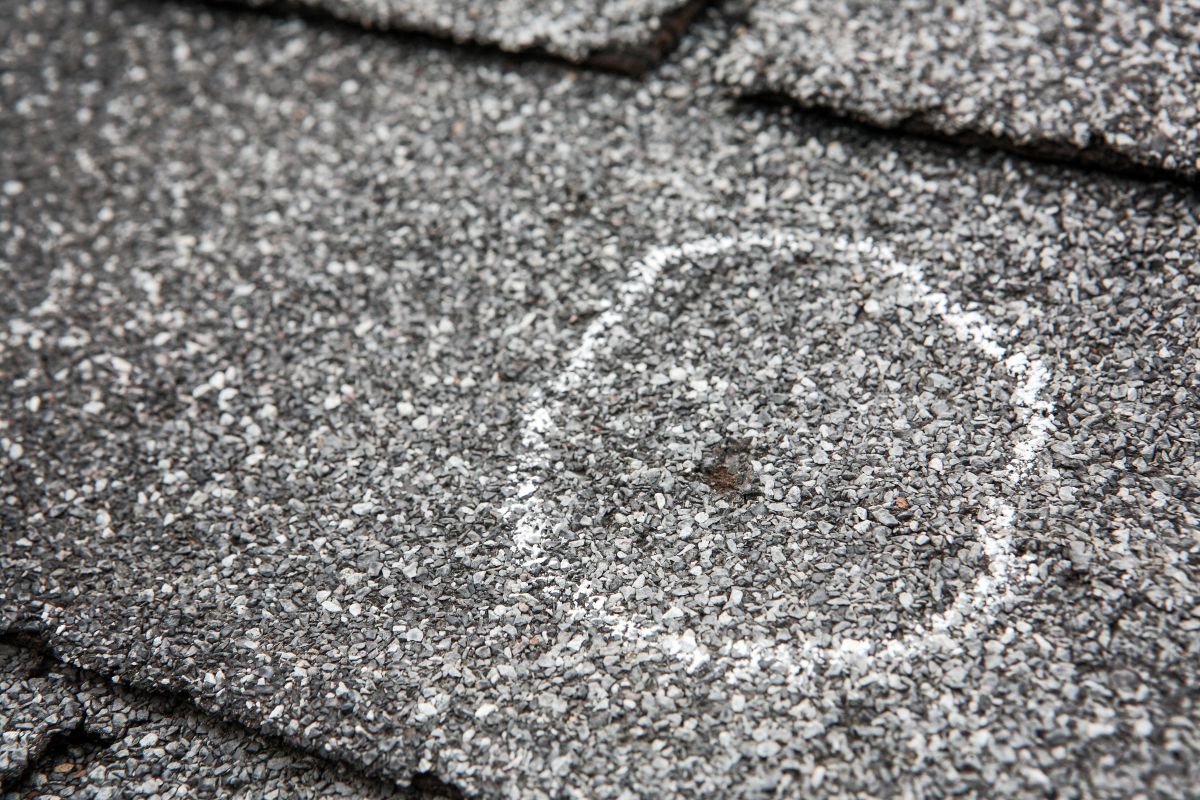
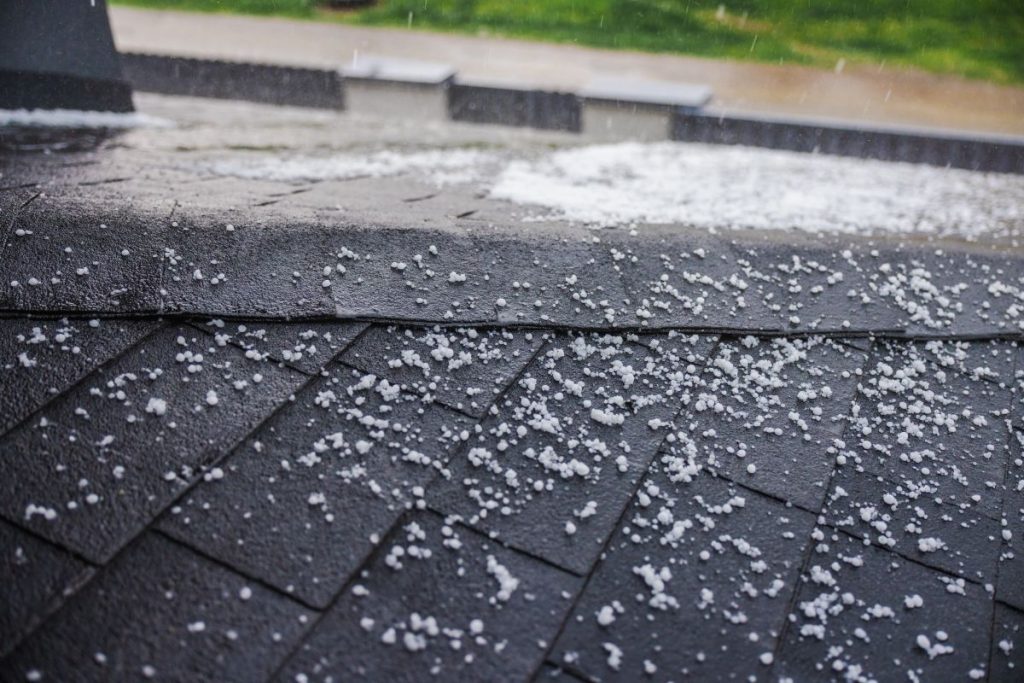
After a storm rolls through, it is natural to walk outside and check for obvious signs of trouble, like dented gutters, stripped tree branches, or shattered windows. But hail damage to your roof is often much harder to spot, especially when the hailstones themselves were small. Hailstones can reach speeds up to 120 mph, so even stones that seem small can leave behind impact marks and real roof hail damage. Some of the most costly roofing problems start with a storm that barely made a sound. That is exactly why it helps to take a closer look at what’s covering your home after any storm, no matter how minor it seemed at the time, especially for homeowners in Des Moines and surrounding areas where seasonal hailstorms are common.
What you’ll learn in this guide:
- How hail actually damages roofing materials, even when it looks harmless
- The difference between cosmetic marks and real functional damage
- Warning signs worth checking for after any hailstorm
- Why smaller hail can sometimes cause more long term harm than large hail
- What steps to take next if you suspect your roof was affected
Why Hail Damage Deserves Your Attention
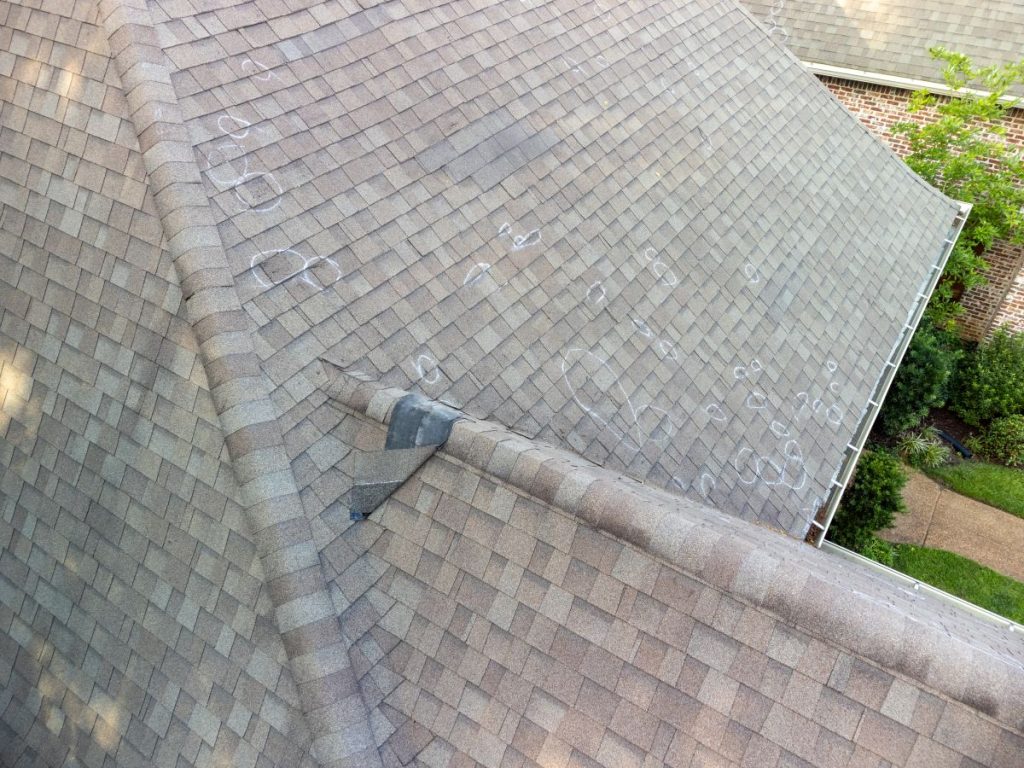
Hail might seem minor compared to high winds or heavy rain, but it interacts with roofing materials in a way that is easy to underestimate. Hail causes about $1 billion in damage across the U.S. every year, and in 2021 alone there were 3,762 major hailstorms recorded nationwide. Even a light hailstorm can compromise the layers that keep water, wind, and other severe weather out of your home, and the effects are not always visible from the ground. That gap between what you can see and what is actually happening on your roof is where the real risk lives.
- Weakened Protection: Granule loss and surface bruising can expose the layers underneath, reducing your shingles’ ability to shield your home.
- Hidden Leaks: Small cracks and impact points may not leak right away, but they often develop into slow, hard to trace water intrusion over time.
- Shortened Lifespan: Even hail that looks purely cosmetic can shorten the overall life of your roofing materials, leading to earlier replacement than expected.
- Insurance Timing: Many insurance companies give homeowners one year or less to start the claims process for storm damage before a claim can be denied, so delayed inspections can mean missed coverage.
- Deductibles and Payouts: Hail claims sometimes come with a separate, higher deductible than other types of damage, and many policies pay out at actual cash value rather than full replacement cost.
Left unaddressed, these issues tend to compound quietly, turning a repairable problem into significant damage and a full roof replacement down the line. That is why we encourage homeowners across Des Moines and surrounding areas to have a roofing contractor take a look after any storm that recently hit, even when nothing looks wrong from the driveway.
5 Ways Hail Actually Affects Your Roof
Hail does not damage every roof the same way, and the type of impact often depends on the size of the hail, the angle it fell at, and the age and material of your roofing system. Understanding the different ways hail interacts with your roof makes it much easier to know what to watch for after a storm passes through.
1. Granule Loss and Shingle Bruising
Asphalt shingles cover roughly 75 percent of homes in the U.S. and are coated in small protective granules that shield the material underneath from UV rays and moisture. When hail strikes, it can knock these granules loose or press them into the shingle, creating a soft spot known as bruising that often looks like nothing more than a slight discoloration from the ground. Other materials react differently: a metal roof tends to dent rather than tear, wood shakes can split, and clay tiles are more brittle and may simply break.
- Granule loss reduces UV protection over time
- Bruised areas are softer and more vulnerable to future impacts
- These marks are frequently missed during a quick visual check
2. Cracked or Split Shingles
Larger or harder hail can crack shingles outright, especially on roofs that are already a few years old and slightly more brittle. A cracked shingle no longer forms a sealed barrier, which means wind and rain have a direct path underneath it during the next storm.
3. Weakened Seals and Flashing
Flashing and sealant around vents, chimneys, and roof edges are designed to keep water out at vulnerable transition points. Hail impacts can loosen or crack these seals without leaving an obvious mark, which is one reason flashing damage is so often overlooked until a leak shows up inside the home.
4. Damage to Gutters, Vents, and Soft Metals
Hail does not stop at the shingles. Gutters, roof vents, and other soft metal components can dent or crack during a hailstorm, which affects how well water drains away from your roofline and foundation.
- Dented gutters may no longer channel water correctly
- Damaged vents can allow moisture into the attic space
- Soft metal flashing is especially prone to denting
- Keeping gutters clear of debris helps prevent water from backing up onto the roof after a storm
5. Long Term Water Intrusion
The most serious hail damage is often the kind that develops slowly. Small cracks and weakened seals allow tiny amounts of moisture to seep in after each rainfall, gradually leading to rot, mold, or insulation damage long after the original storm has been forgotten.
Each of these issues can start small, but they rarely stay that way. A roof that looks intact right after a storm can still be carrying damage that only becomes obvious months later, which is why a professional look is so valuable in the days following any hail event.
How to Spot Hail Damage Before It Becomes a Bigger Problem
Most homeowners are not trained to identify hail damage, and that is completely understandable since much of it is not visible from a ladder or the ground. Knowing the general signs to look for, and understanding the limits of a visual check, can help you decide when it is time to call in a professional.
Signs to Look for From the Ground
- Dented gutters, downspouts, or roof vents
- Missing or displaced granules collecting near downspouts
- Visible dents on soft metal features like flashing or vent caps
- Dents on garage doors or other parts of your home’s exterior, which often mean the roof took a similar hit
- Damaged or bruised siding, which often mirrors roof level impact
Signs a Professional Inspection Will Catch
- Bruised or soft spots on individual shingles
- Cracked seals around chimneys, skylights, and vents
- Early signs of moisture in the attic or interior leaks along the ceiling
- Impact patterns that indicate the direction and severity of the storm, generally averaging 7 to 10 marks within a 10×10 foot section of roof
A visual check from the ground is a reasonable first step, but it rarely tells the full story. A trained eye knows exactly where hail damage tends to hide, which is why a full property inspection after a storm is one of the most valuable things a homeowner can do for their roof. This is especially true in Des Moines and surrounding areas, where roofs regularly face a mix of hail, wind, and temperature swings that can compound minor damage into bigger issues over a single storm season.
Small Hail vs Large Hail: Why Size Is Not the Whole Story
It is easy to assume that only large hail causes real damage, but roofing materials do not always agree with that assumption. Smaller hail falling at high speed, or falling repeatedly during a longer storm, can sometimes cause more cumulative harm than a shorter burst of larger stones. Comparing the two side by side helps explain why size alone should never be the deciding factor in whether to get a roof checked.
| Factor | Small Hail | Large Hail |
| Visibility of damage | Often subtle, easy to miss | Usually more obvious |
| Speed and duration | Can fall longer, causing repeated impact | Often shorter bursts |
| Common damage type | Granule loss, soft bruising | Cracks, splits, dents |
| Risk of being overlooked | Higher, due to subtle signs | Lower, damage is more visible |
The takeaway is simple: hail size is only one part of the equation. Duration, wind angle, and the age of your roofing materials all play a role in how much damage actually occurs, which is why every hailstorm is worth a second look regardless of how the hail looked while it was falling. Repairing hail damage typically costs around $4,250 on average nationwide, though the price can range from about $375 for minor repairs to $7,500 or more for extensive storm damage, depending on the size of the affected areas and the materials involved. Homeowners across Des Moines and surrounding areas often deal with several hail events in a single season, so even storms that felt minor at the time are worth adding to the list of things to have checked before the cost of repair grows.
Protect Your Home Before Hail Damage Gets Worse
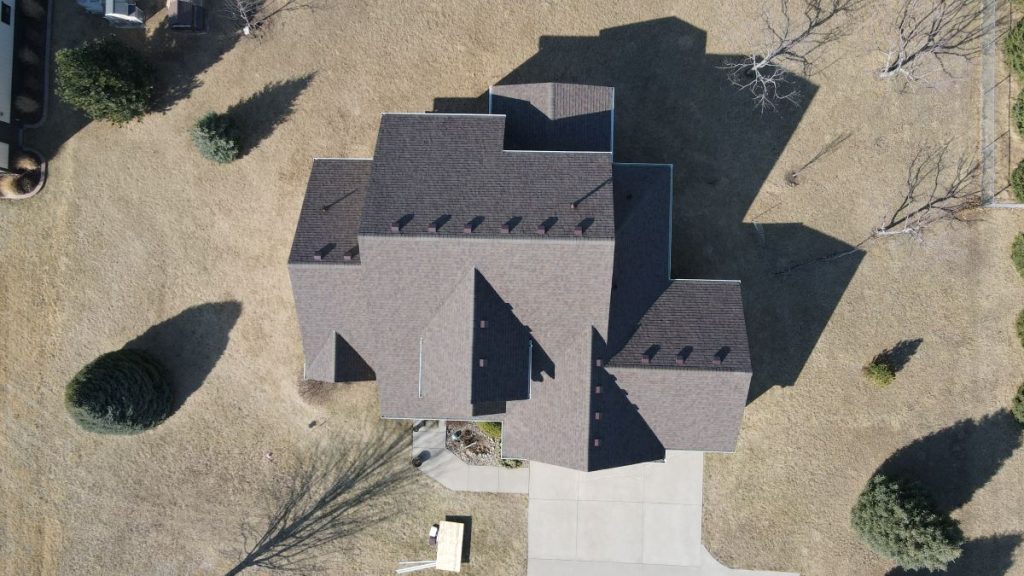
Hail damage rarely announces itself right away, and that delay is exactly what makes it so costly for homeowners who skip the inspection step. Even minor roof damage can turn into a leak, a mold issue, or the need for a new roof a year from now if it goes unnoticed. Photographing any visible damage to your roof or home’s exterior makes the claims process with your insurance company much smoother, and keeping nearby trees pruned can reduce the chance of added storm damage in future weather events.
At First Fruits Construction, we believe every homeowner deserves a clear, honest look at what is actually happening on their roof, without pressure and without guesswork. As an experienced roofing contractor serving the area, our team provides full property inspections, explains what we find, and walks you through your options so you can make a confident decision about repairing hail damage or replacing your roof. If a storm recently hit and left you wondering whether your roof came through unscathed, do not wait for a small problem to turn into structural damage. Contact us today and let us help you protect your home for years to come.

Category
How Iowa’s Storm Season Compares to the Rest of the Country (And What It Means for Your Roof)
9 minute Read
Posted 9.10.26
If you have lived in Iowa for any length of time, you already know severe weather is part of life here. But Iowa storm damage actually stacks up differently than what homeowners in most other states experience, both in frequency and in the type of storms that roll through. Understanding how Iowa compares to the national picture helps explain why so many homes here end up needing a closer look at their roof more often than homes in calmer climates. This guide breaks down exactly how Iowa’s storm season stands out and what that means for protecting your home.
What you’ll learn in this guide:
- How Iowa’s tornado frequency compares to the rest of the country
- Why hail is such a persistent issue for Iowa homeowners
- What makes derechos a uniquely Midwest threat
- How Iowa’s storm season timing compares nationally
- What steps to take to protect your roof before and after severe weather
Why Iowa’s Storm Season Deserves Extra Attention
Iowa sits in a part of the country where warm, moist air from the Gulf of Mexico regularly collides with cooler, drier air moving down from the north, and that collision is exactly what fuels severe storms, hail, and tornadoes. This geography means Iowa homeowners deal with a higher baseline level of storm risk than homeowners in most other parts of the country, even in years that feel relatively calm. According to the National Weather Service and NOAA’s disaster records, Iowa saw 86 confirmed weather and climate disasters between 1980 and 2024 with losses exceeding a billion dollars each, and 57 of those were severe storm events specifically. Recognizing that pattern early helps you plan for maintenance and repairs instead of being caught off guard.
- Higher Storm Frequency: Iowa consistently ranks among the top ten states for tornado activity nationwide.
- Frequent Hail Events: Iowa averages well over a hundred hail events every year, more than most states in the country.
- Unique Regional Threats: Iowa is one of the few states regularly affected by derechos, a fast moving and highly destructive storm type.
- Compounding Damage: Repeated storm seasons mean roofs, gutters, and electric service lines often take multiple hits over their lifespan rather than just one major event.
Understanding these patterns is not about causing worry, it is about being realistic regarding how often Iowa homes are exposed to severe weather. Homeowners across Ankeny and surrounding areas who understand this risk tend to catch roof damage earlier, which usually means simpler and less expensive repairs.
4 Ways Iowa’s Storm Season Differs From the Rest of the Country
Iowa’s severe weather does not just happen more often, it also shows up in a few specific forms that are less common elsewhere in the country. Breaking these down individually makes it easier to understand why local roofs face a different set of challenges than homes in other regions.
1. Tornado Frequency
Iowa consistently ranks among the top ten states for tornado frequency, with some recent data placing it around eighth nationally and averaging in the range of 46 to 53 tornadoes each year. Iowa’s position in the central Plains puts it directly in the path where warm Gulf air and cooler northern air masses regularly clash, creating ideal conditions for tornado development. Iowa has also historically ranked among the top states for the strongest tornadoes ever recorded, with dozens of EF4 or stronger tornadoes documented across the state over the past several decades.
- Tornado activity in Iowa typically peaks from May through July
- Iowa has recorded long track tornadoes that travel more than 25 miles
- Some years bring historic single day totals, including 63 tornadoes recorded across the state in one day during a December 2021 derecho
2. Hail Frequency and Size
Hail is one of the most consistent sources of roof damage in Iowa, with the state averaging around 177 hail events per year, a noticeably higher number than most states in the country. Iowa has also seen individual storms produce hailstones between 3 and 4 inches in diameter, which is large enough to cause serious damage to shingles, siding, and gutters in a matter of minutes. For homeowners in Ankeny and surrounding areas, this steady drumbeat of hail activity means roofs are rarely more than a season or two away from another storm worth checking on.
- Hail events in Iowa can occur across nearly any month of the storm season
- Even hail under two inches in diameter can bruise or crack asphalt shingles
- Repeated smaller hail events can add up to the same wear as one larger storm
3. Derecho Risk
A derecho is a widespread, fast moving windstorm associated with a line of severe thunderstorms, and Iowa is one of the states most likely to experience one. The August 2020 Midwest derecho produced wind gusts as high as 140 mph near Cedar Rapids, Iowa, and caused an estimated 11 billion dollars in damage nationally, making it the costliest thunderstorm event on record. A second historic derecho struck Iowa again in December 2021, an unusual time of year for this type of storm, causing damage costs that exceeded 1 billion dollars. Unlike a tornado, which usually affects a narrow path, a derecho can flatten roofs, trees, and power lines across an entire region in a single pass.
4. Storm Season Timing
While many parts of the country see severe weather concentrated in a fairly predictable window, Iowa’s storm season can stretch further than expected. Spring and summer remain the most active months, but the 2021 December derecho showed that damaging storms are not strictly limited to the traditional season, which is part of what makes planning ahead so important for homeowners here.
Taken together, these four factors help explain why Iowa homes tend to experience more frequent and more varied storm exposure than homes in many other states. Recognizing which type of storm caused the damage also helps homeowners and contractors know exactly what to inspect once the weather clears.
What Makes Iowa’s Major Storms Different
Beyond frequency, the sheer scale of some of Iowa’s most significant storms sets the state apart from much of the country. A few events in particular illustrate just how quickly a single storm can affect an enormous area and leave lasting damage behind.
The 2020 Derecho
The August 2020 derecho tracked more than 770 miles in just 14 hours, moving from South Dakota through Iowa and into Ohio. Cedar Rapids sat at the center of the worst damage, with wind speeds strong enough to flatten crops, snap trees, and tear off roofing across entire neighborhoods.
The 2021 December Derecho
This storm broke records simply by happening when it did, since December derechos are exceptionally rare in the United States. It produced the most tornadoes ever recorded in Iowa in a single day and left behind damage costs exceeding 1 billion dollars, proving that Iowa’s severe weather season does not always follow the calendar.
The 2024 Greenfield Tornado
In May 2024, a tornado outbreak swept through southwest Iowa and produced an EF4 tornado that tore through the town of Greenfield with peak winds near 185 mph. The National Weather Service confirmed the tornado stayed on the ground for more than 40 miles, heavily damaged or destroyed over 150 homes, and prompted an immediate search-and-rescue response from local and state emergency crews. It stood as one of the strongest tornadoes recorded in the country that year and remains one of the clearest examples of how severe a single Iowa storm can become.
These events show that Iowa’s storm risk is not limited to a short window each spring, nor to just one type of severe weather. Homeowners who assume the danger has passed once summer ends may be caught off guard by storms that arrive well outside the expected season.
Iowa Storm Risk at a Glance
Comparing a few key numbers side by side helps put Iowa’s storm exposure into perspective against the national picture. While every state deals with some form of severe weather, the combination of factors below is part of what makes Iowa’s risk profile stand out.
| Factor | Iowa | National Context |
| Tornadoes per year | 46 to 53 average | Ranks around 6th to 8th nationally |
| Hail events per year | About 177 average | Well above the national average |
| Notable derecho | 2020 event, 140 mph gusts | Costliest thunderstorm event on record |
| Off season storms | December 2021 derecho | Extremely rare nationally |
| Billion dollar disasters, 1980 to 2024 | 86 confirmed events | 57 were severe storm events alone |
These numbers make it clear that Iowa is not just an average state when it comes to severe weather, it experiences a combination of frequency and intensity that few other states see in the same year. As recently as June 2026, a line of strong storms moved across northern Missouri, Iowa, Kansas, and Illinois in a single event, with the National Weather Service fielding more than a dozen tornado reports and downed poles and utility wires leaving hundreds of thousands of customers across the Midwest without electric service. For homeowners in Ankeny and surrounding areas, that combination is exactly why regular roof maintenance and prompt inspections after storms matter so much, rather than waiting until a leak or missing shingles force the issue.
Protect Your Roof Through Every Iowa Storm Season
Iowa’s storm season is more frequent, more varied, and in some cases more extreme than what homeowners in many other states experience, which makes proactive roof care especially important here. Waiting until a leak shows up inside your home often means the damage has already been building for months, sometimes going back to a strong storm you may not even remember clearly, whether it knocked down utility wires in your neighborhood or just left a few cracked shingles behind.
At First Fruits Construction, we understand what Iowa’s weather puts homes through because we see the aftermath firsthand, from Des Moines to communities across southwest Iowa. Our team provides full property inspections, honest assessments, and upfront pricing so you always know exactly where your roof stands after a storm. Whether it was a fast moving hailstorm, high winds, or a full blown derecho, our team is ready to help homeowners throughout Ankeny and surrounding areas get their roof properly checked and repaired. Contact us today to schedule an inspection and protect your home before the next storm season arrives.
Category
Owens Corning Shingles: What the Preferred Contractor Designation Actually Means for Your Roof
8 minute Read
Posted 9.10.26
When you start researching roofing companies, you will likely come across the term Owens Corning Preferred Contractor more than once, and it is easy to assume it is just another marketing badge. In reality, hiring a preferred roofing contractor gives you access to warranty protection and quality standards that uncertified installers simply cannot offer, whether you need residential and commercial roofing work done. Understanding what actually sits behind the team handling your roof helps you make a more informed decision before signing any contract. This guide breaks down exactly what the designation requires and why it matters for your home.
What you’ll learn in this guide:
- What the Owens Corning Preferred Contractor designation actually requires
- Why this status affects the warranty coverage available to you
- How Preferred Contractors differ from standard, uncertified roofers
- What Platinum Preferred status adds on top of the base designation
- Why this distinction matters for homeowners planning a roof replacement
Why the Preferred Contractor Designation Matters
Not every roofing company that installs Owens Corning shingles has actually earned the right to call itself a Preferred Contractor. Owens Corning reserves that title for companies that meet a specific set of business, legal, and quality standards, and only those companies can offer certain upgraded warranties to homeowners. That distinction matters because the strength of your roof’s warranty often depends entirely on who installed it, not just which shingles were used. Many homeowners assume that buying premium shingles automatically means premium protection, when in reality the installer’s credentials play just as large a role in what coverage actually applies.
- Stronger Warranty Access: Preferred Contractors can offer extended, non-prorated warranty coverage that standard installers cannot provide.
- Verified Business Standing: The designation requires a clean legal, financial, and insurance record before it is ever granted.
- Consistent Installation Quality: Preferred Contractors are expected to follow manufacturer approved installation practices on every job.
- Manufacturer Accountability: Owens Corning has a direct interest in Preferred Contractors performing well, since their name is tied to the results.
Choosing a contractor without this designation does not automatically mean poor workmanship, but it does mean you are trusting warranty coverage and installation quality entirely to that one company’s word rather than to a manufacturer backed standard. Homeowners across Norwalk and surrounding areas who understand this difference are in a much stronger position to compare quotes and warranty offers with confidence.
6 Requirements Owens Corning Sets for Preferred Contractors
Owens Corning does not hand out the Preferred Contractor title to anyone who asks for it. The designation is built around a specific checklist of business and performance standards that a roofing company has to meet and maintain over time, and falling short on any one of them can put the certification at risk.
1. Proper Licensing
A Preferred Contractor must hold the appropriate state and local licensing required to legally perform roofing work in their area. This ensures the company has met baseline requirements for operating as a professional contractor, and it gives homeowners in Norwalk and surrounding areas a simple first check before hiring anyone for a major project.
2. Adequate Insurance Coverage
Contractors must carry general liability insurance and workers compensation coverage. This protects homeowners financially in case of property damage or an on the job injury during the project, so you are not left covering unexpected costs if something goes wrong on your own property.
3. Established Business History
Owens Corning typically requires a contractor to have been in business for at least three years before qualifying. This history helps confirm the company is stable rather than a short lived operation that might not be around if a warranty issue comes up years later.
- A longer track record suggests more installation experience
- Established companies are more likely to honor warranty claims down the road
- Business longevity is one of the simpler ways to gauge reliability upfront
4. Clean Legal and Financial Record
Preferred Contractors cannot have filed for bankruptcy within the past seven years and must be free of major liens, judgments, or adverse legal actions within the past five years. This requirement is meant to protect homeowners from working with financially unstable companies that might not be around to honor a warranty claim years down the road.
5. Good Standing With the Better Business Bureau
Contractors must maintain good standing with the Better Business Bureau, which reflects how the company has historically handled customer complaints and disputes. This gives homeowners an independent point of reference beyond the contractor’s own marketing claims, since BBB ratings are based on real customer feedback rather than a company’s self reported reputation.
6. Adherence to Industry Best Practices
Preferred Contractors are expected to follow accepted industry standards for installation and customer service on every project. Owens Corning reviews this ongoing performance rather than treating the designation as a one time approval, which means a contractor can lose the status if their quality or business practices slip over time.
Meeting all of these requirements at once is not simple, which is exactly why the Preferred Contractor title carries real weight. When a company holds this designation, homeowners have a documented reason to trust that the business behind the installation has been vetted well beyond a basic license check.
What the Designation Unlocks for Warranty Coverage
The single biggest practical benefit of hiring a Preferred Contractor comes down to warranty protection, since it directly changes what coverage is even available to you. Standard shingle warranties only cover material defects and typically require the homeowner to prove a manufacturing flaw caused the problem, which can be a difficult and time consuming process without professional support.
- Standard Limited Warranty: Covers material defects only and is available regardless of who installs the shingles.
- Preferred Protection Warranty: Available exclusively through Preferred Contractors, offering extended, non-prorated coverage for both materials and workmanship, often up to ten years.
- Manufacturer Backed Confidence: Because Owens Corning has already vetted the contractor, they are willing to stand behind the installation itself, not just the shingles.
This upgraded coverage exists because Owens Corning trusts Preferred Contractors to install their products correctly the first time. A homeowner working with a non certified installer may still get a quality roof, but they will not have access to the same level of manufacturer backed protection if something goes wrong later, and pursuing a claim without that backing often falls entirely on the original installer’s willingness to help. This matters just as much when storm damage is involved, since a Preferred Contractor with real experience navigating insurance claims can make the entire process far less stressful.
Comparing Contractor Tiers and Warranty Coverage
Owens Corning actually maintains more than one certification level, and understanding where each tier sits helps put the Preferred designation into context. Some homeowners assume Preferred is the top tier available, when in fact it sits in the middle of the program, with a more exclusive Platinum tier reserved for a much smaller group of contractors nationwide.
| Contractor Type | Warranty Access | Typical Requirements |
| Uncertified installer | Standard material only warranty | No formal vetting by the manufacturer |
| Preferred Contractor | Preferred Protection, up to 10 years workmanship | Licensing, insurance, BBB standing, clean record |
| Platinum Preferred Contractor | Platinum Protection, extended material and workmanship coverage | All Preferred requirements plus higher insurance minimums and ongoing training |
Platinum status represents a small percentage of contractors nationwide and requires an even deeper commitment to Owens Corning products and continued education. Regardless of which certified tier a contractor holds, the key takeaway for homeowners in Norwalk and surrounding areas is the same: certification directly determines what warranty protection is actually available to you, not just the shingles themselves, so it is worth asking directly which tier a contractor holds before signing anything.
Choose a Roofing Team That Has Earned the Designation
Understanding the difference between a certified and uncertified installer puts you in a much better position when comparing roofing quotes, since price alone does not tell you what protection you are actually getting. A lower bid from an uncertified contractor may end up costing more in the long run if warranty coverage falls short when you need it most, especially after years of normal wear or an unexpected storm.
At First Fruits Construction, we are proud to hold Owens Corning Preferred Contractor status, which means we have met the licensing, insurance, and business standards required to offer stronger warranty coverage to our residential and commercial customers. Our team provides a free inspection and upfront pricing so you know exactly what you are getting before any work begins, without pressure and without vague promises, and we are glad to help walk you through insurance claims and flexible financing options if you need them. If you are planning a roof replacement in Norwalk and surrounding areas, working with a contractor who has actually earned this designation, and who is committed to your community, can make a real difference in your long term coverage. Contact us today to discuss your roofing needs and schedule a prompt inspection.
Category
What Is a Derecho? (And What Iowa Homeowners Should Do After One Hits)
9 minute Read
Posted 9.10.26
If you have lived in Iowa for more than a season, you already know how quickly a calm afternoon can turn violent. A derecho is one of the most destructive storm systems to sweep across the Midwest, producing a wind damage swath of straight line wind damage that can stretch hundreds of miles in a single afternoon, with wind gusts powerful enough to rival a hurricane. For homeowners in Cedar Rapids and surrounding areas, understanding what this kind of storm does to a home matters just as much as watching the radar, which is exactly why so many families lean on a team that shows up when the wind finally settles once the skies clear.
Here is a quick look at what this guide covers:
- What actually separates a derecho from an ordinary thunderstorm
- The warning signs that show up on your roof, siding, and gutters
- The exact steps to take once the wind finally stops
Why Storm Awareness Protects More Than Your Roof
Iowa sits inside a stretch of the Corn Belt where severe thunderstorms and derecho storms commonly occur, often strengthening into damaging high winds with only a short lead time from the Storm Prediction Center. Knowing why these storms deserve your attention before the next line of clouds builds on the horizon can save you thousands of dollars in avoidable repairs.
- Faster Onset: Derechos can strengthen from a line of ordinary storms into a damaging wind event in under an hour.
- Wider Reach: Unlike a single storm cell, the damage path often stretches across several counties at once.
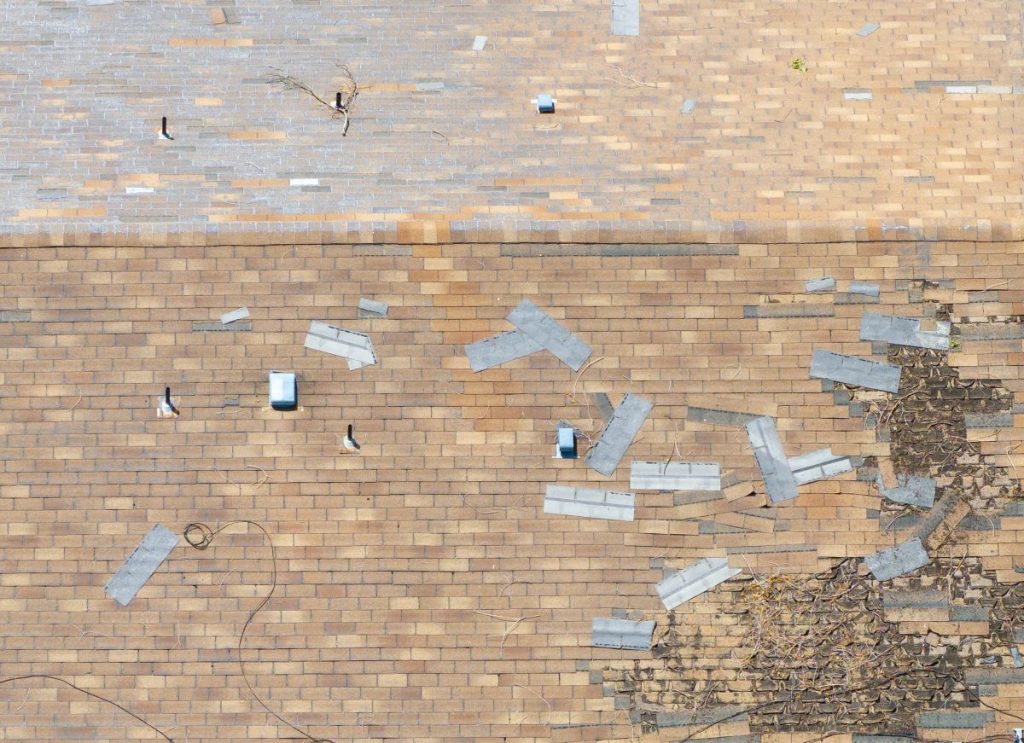
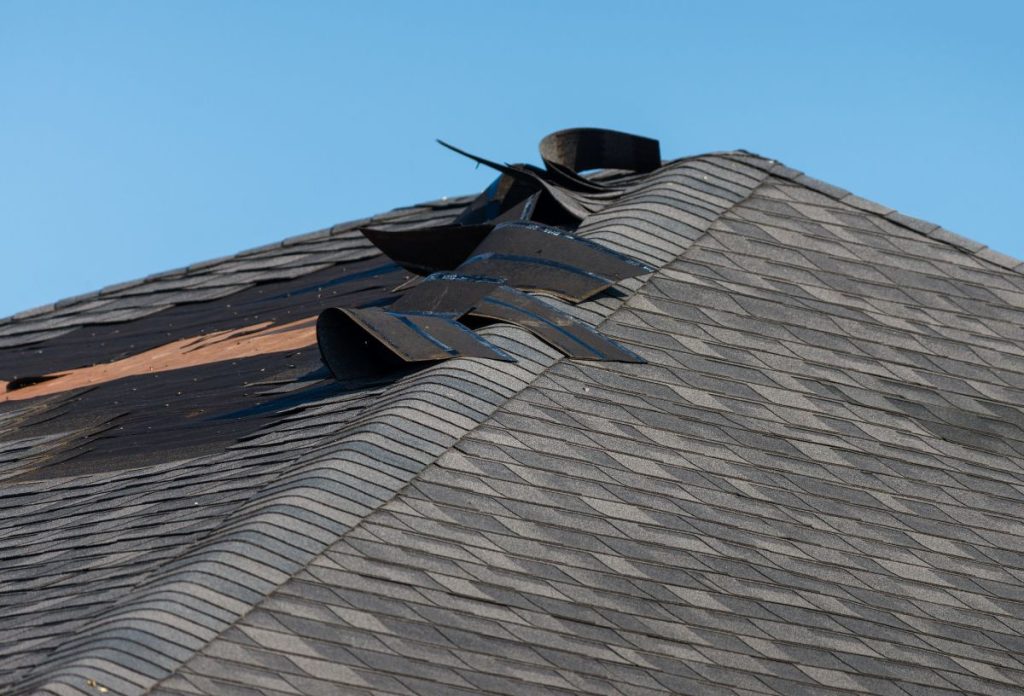
- Hidden Damage: Torn flashing, lifted shingles, and water intrusion from heavy rains are not always visible from the ground, which is part of why assessing the damage the right way matters before small issues turn into expensive ones.
- Insurance Deadlines: Many policies require storm damage to be reported within a set window of time.
Because these storms move fast and sometimes strike overnight, many homeowners do not realize the extent of the damage until weeks later, when a small leak turns into a water stained ceiling. Understanding the risk now can make recovery faster whenever the next severe storm watch fills the forecast.
6 Steps to Take Once a Derecho Passes Through Your Property
Once the wind dies down and the sky clears, the real work begins. Following a clear sequence of steps in the hours and days after a derecho can protect both your home and your insurance claim.
1. Wait Until It Is Actually Safe to Go Outside
Downed power lines, falling trees, and debris scattered by straight line winds can pose serious risks right after a storm passes. Give it time before stepping outside, and watch local news in case a trailing gust front or additional storms follow behind the main line.
2. Walk the Perimeter and Document Everything
Once it is safe, take a slow walk around your home and look up at each roof slope from a few different angles.
- Photograph missing, curled, or lifted shingles
- Note any dents, cracks, or displaced flashing
- Capture images of fallen branches, damaged siding, or bent gutters
Good documentation now will make the insurance process much smoother later.
3. Check the Attic for Hidden Leaks
Some of the most telling signs of derecho damage show up inside the home rather than outside. Grab a flashlight and look for water stains, damp insulation, or daylight coming through the roof deck where it should not be.
4. Contact Your Insurance Company Promptly
Most homeowner policies expect storm damage to be reported within a specific window, so it pays to make the call sooner rather than later. Having your photos ready when you file will speed up the entire process.
5. Schedule a Full Property Inspection
A trained eye can catch damage that is easy to miss from the ground, especially along the roofline and behind gutters. Many local roofing companies, including ours, offer a free full property inspection so you can understand the scope of the damage before committing to any repairs.
6. Avoid Storm Chasers and Verify Credentials
After a major storm, out of town crews often show up during recovery efforts offering fast, cheap repairs. Before signing anything, confirm that a contractor is OSHA certified, BBB accredited, and backed by manufacturers you actually recognize.
Families across Cedar Rapids and surrounding areas who follow these steps in order tend to have a much smoother experience with both their insurance carrier and their contractor. Skipping ahead, especially the documentation step, is one of the most common reasons claims get delayed or denied.
Understanding the Science Behind a Derecho
A derecho is not simply a strong thunderstorm. It is a specific type of weather event with its own history, its own measurable criteria, and its own place in Iowa’s storm records.
Where the Word Actually Comes From
The term derecho was coined in the late 1800s by a scientist at the University of Iowa, who borrowed the word from Spanish to describe a storm moving in a straight line rather than spinning like a tornado. That straight line path is exactly what makes these storms capable of damaging such a wide swath of land in a short amount of time.
How Derecho Winds Compare to Other Storms
The Storm Prediction Center classifies a derecho as a long lived line of thunderstorms, or mesoscale convective system, that includes wind gusts of at least 58 mph along a damage path stretching 250 miles or more. These storms typically form when warm, moist air near the surface meets strong winds aloft, often along a nearly stationary front in hot, humid conditions, and they usually show a telltale bow echo shape on radar. Most derechos across Iowa and the surrounding Corn Belt develop between April and August, peaking in May and June.
Iowa’s Most Notable Recent Derecho
On August 10, 2020, a derecho tore across central Iowa with wind gusts as high as 112 miles per hour in parts of the state. The storm knocked out power to more than a million homes and businesses across Iowa, Illinois, and Indiana, damaged an estimated 10 million acres of Iowa cropland in the heart of the Corn Belt, and became one of the costliest thunderstorm events in United States history, with damage estimates reaching roughly 11 billion dollars. That single afternoon reshaped how many Iowa homeowners think about storm preparedness.
Derecho vs. Other Iowa Storm Threats
Iowa homeowners deal with more than one kind of severe weather each year, and it helps to know how a derecho stacks up against the others. Each storm type behaves differently, which changes both the warning signs to watch for and the type of damage you are likely to see afterward.
| Storm Type | Wind Pattern | Typical Damage Path | Warning Time |
| Derecho | Straight line, sustained | Hundreds of miles wide | Minutes to about an hour |
| Tornado | Rotating funnel | Narrow, often under a mile wide | Minutes |
| Standard Thunderstorm | Localized gusts | A few blocks to a few miles | Usually hours |
Understanding these differences is not just trivia. A rotating storm calls for shelter in the lowest, most interior part of your home, while a derecho’s straight line winds put the entire structure under sustained pressure for a longer stretch of time. Knowing which threat you face before such events strike helps you react appropriately rather than guessing.

Frequently Asked Questions About Derecho and Thunderstorm Damage in Iowa
Storm damage raises a lot of questions, especially the first time you experience a derecho firsthand. Here are answers to the ones we hear most often from homeowners in Cedar Rapids and surrounding areas.
Is a Derecho the Same as a Tornado?
No. A tornado is a rotating column of air, while a derecho produces straight line winds that travel in one direction across a wide area. Both can cause severe damage, but the pattern of destruction looks very different on the ground.
How Long Does a Derecho Typically Last?
An individual derecho event can last several hours as it travels across a region, though any single location may only experience the strongest winds for 30 to 60 minutes.
Can a Derecho Cause Roof Damage Even Without Hail?
Yes. Straight line winds alone can lift shingles, tear off ridge caps, and loosen flashing, even without hail. Wind driven rain can also work its way under compromised shingles and cause leaks that are not obvious right away. Securing loose outdoor items before storm season and keeping a basic emergency kit on hand are simple ways to reduce risk in mobile homes and site built homes alike.
Will My Homeowners Insurance Cover Derecho Damage?
Most standard homeowners policies cover wind damage from severe storms, including derechos, but coverage details vary by provider and policy. It is worth reviewing your specific policy or asking your agent directly so you know what to expect before filing a claim.
How Soon Should I Get My Roof Inspected After a Storm?
Scheduling an inspection within a few days of the storm is a good general rule, especially if you notice any warning signs from the ground. Acting quickly also helps you stay within most insurance reporting windows.
If your home experienced a derecho and you are still unsure what to do next, you do not have to figure it out alone. A short conversation with a local expert can clear up most of the uncertainty in a single visit.
Let’s Get Your Home Back to Solid Ground
Derechos are unpredictable, fast moving, and capable of causing serious damage in a matter of minutes, but you do not have to face the aftermath alone. First Fruits Construction has spent years helping families here in Cedar Rapids and surrounding areas recover from severe storms with honest guidance and steady craftsmanship every step of the way. If you noticed any signs of damage after the last storm, or you just want an expert set of eyes on your roof before the next one arrives, contact us today and let’s get your home back to solid ground.
Category
Architectural Shingles (Benefits, Lifespan & Why They Outperform 3-Tab in Iowa)
8 minute Read
Posted 9.10.26
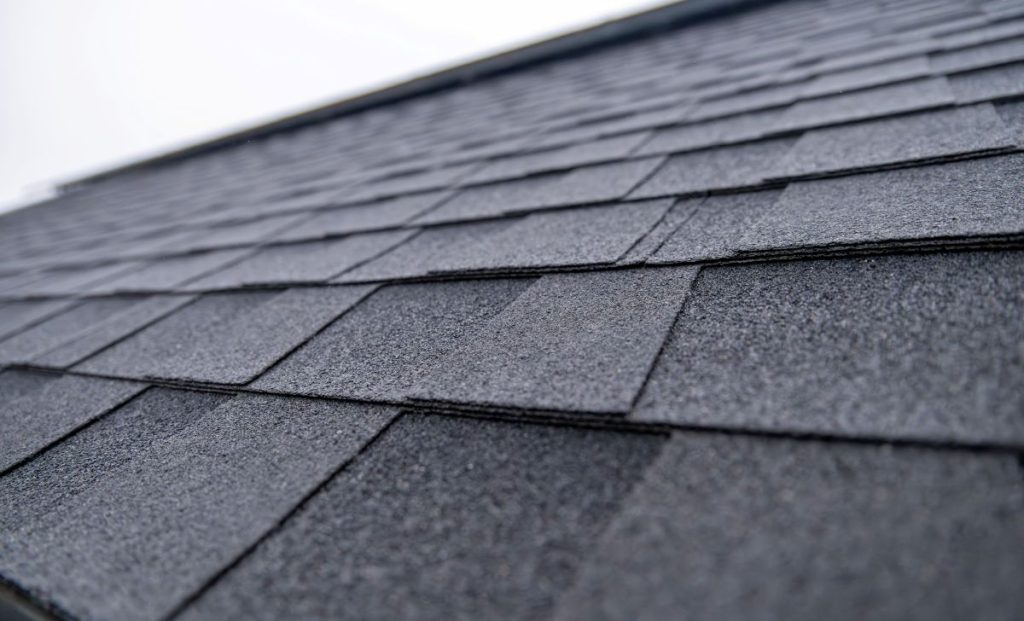
Choosing a new roof is one of those decisions that quietly shapes your home for decades, and the shingle you pick matters more than most homeowners realize. Architectural shingles have become the standard choice across Iowa because they combine a thicker, multi-layer build with a dimensional look that older 3-tab shingles simply cannot match. For homeowners in Johnston and surrounding areas weighing a roof replacement, understanding the real differences between these two shingle types can save you from a costly do-over down the road, especially if you lean on a team that has walked hundreds of Iowa homeowners through this exact decision before making a final call.
Here’s a short rundown of what this guide walks through:
- The real difference between architectural and 3-tab shingles
- Why architectural shingles tend to outlast and outperform older styles
- How to know which option fits your home and budget
What Your Shingle Choice Really Affects
Most homeowners think of shingles as a simple cosmetic decision, but the type you choose actually affects how your roof performs for the next several decades. Getting this choice right the first time protects both your home and your wallet.
- Longevity: A thicker, multi-layer shingle simply holds up longer against Iowa’s freeze thaw cycles.
- Storm Resilience: Extra layers of asphalt and granules give the roof more resistance during high wind events.
- Resale Value: A dimensional roofline reads as an upgrade to buyers and appraisers alike.
- Insurance Considerations: Some upgraded shingle products can factor into how a roof’s overall performance is evaluated after a claim.
Because a roof is one of the largest investments most homeowners make, the shingle decision deserves more attention than it usually gets at the counter of a big box store. Taking the time to understand what separates these two products now can prevent a much more expensive conversation ten years from now.
4 Reasons Architectural Shingles Outperform 3-Tab
Architectural shingles did not become the industry standard by accident. Once you understand how they are actually built, it becomes clear why they consistently outlast and outperform the older 3-tab style.
1. A Thicker, Multi-Layer Build
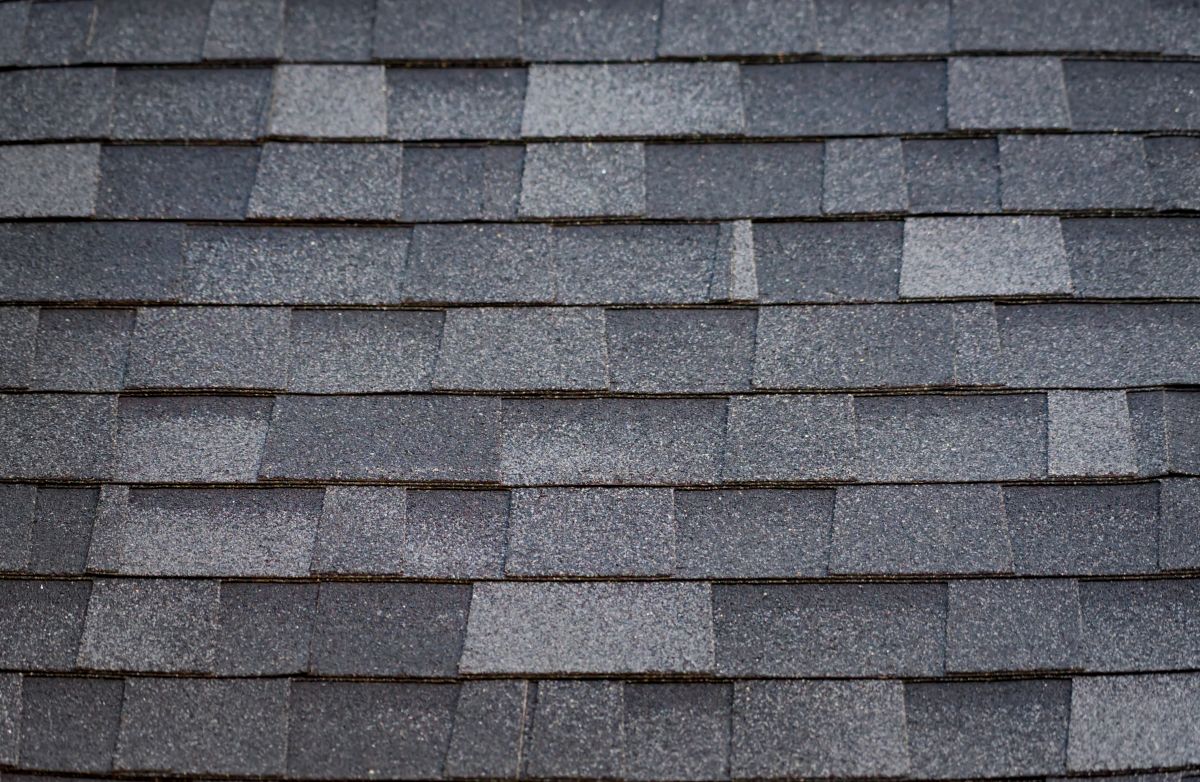
A 3-tab shingle is a single flat layer of asphalt, while an architectural shingle is built from two or more laminated layers bonded together. That extra material adds real structural strength, which is exactly why architectural shingles resist curling and cracking far better over time.
- Roughly 50 percent heavier per square than a comparable 3-tab shingle
- Thicker fiberglass base mat for added tensile strength
- Denser granule coverage that helps shield the asphalt underneath
2. Stronger Wind Resistance
Standard 3-tab shingles are typically rated for winds in the 60 to 70 mile per hour range, which leaves them vulnerable during Iowa’s frequent severe weather season. Architectural shingles are built with a heavier profile and stronger adhesive strips, giving them a meaningfully higher wind rating in most product lines.
3. A More Dimensional, Upscale Look
Because architectural shingles are laminated in layers of varying shapes and shadow lines, they create a textured, three dimensional appearance that can resemble slate or cedar shake from the street. A 3-tab roof, by comparison, has a flat and uniform look that many homeowners now consider dated.
- Wider range of colors and blends available
- Shadow lines add depth that flat shingles cannot replicate
- Often preferred on homes heading to market
4. Longer Manufacturer Warranties
Manufacturers back architectural shingles with longer, stronger warranties than they offer on 3-tab products, reflecting the added durability built into the shingle itself. That extra coverage gives homeowners real peace of mind well beyond the first decade of ownership.
Taken together, these four factors explain why architectural shingles have quietly become the default recommendation for most reroofing projects across the state. A roof built with the right materials from the start tends to need far less attention over its lifespan than one where corners were cut early on.
Getting the Most Out of Your New Roof
Choosing architectural shingles is only the first half of the equation. How that roof is installed and maintained plays just as large a role in how long it actually lasts on your home.
Proper Installation Matters as Much as the Shingle
Even the best shingle on the market will underperform if it is installed incorrectly, whether that means poor nailing patterns, missing starter strips, or mismatched underlayment. Working with an experienced, certified installer helps ensure the shingle performs the way the manufacturer intended.
Ventilation Protects the Investment From the Inside Out
A roof deck that cannot breathe properly traps heat and moisture, which shortens the life of any shingle regardless of how well it is built. Balanced attic ventilation keeps temperatures more consistent and helps prevent premature aging from the underside of the roof.
Regular Inspections Catch Small Issues Early
A quick inspection once or twice a year, along with a check after any major storm, can catch lifted shingles or damaged flashing long before they turn into a leak. Small, proactive fixes are almost always less expensive than the water damage that follows a missed warning sign.
Homeowners who treat their roof as an ongoing investment, rather than something to think about once every twenty years, tend to get significantly more life out of whatever shingle they choose. A little attention now goes a long way toward avoiding a surprise replacement later.
Architectural vs. 3-Tab: A Side by Side Look
Sometimes the easiest way to compare two products is to see them laid out next to each other. The table below breaks down how architectural and 3-tab shingles typically stack up across the categories that matter most to homeowners.
| Feature | Architectural Shingles | 3-Tab Shingles |
| Construction | Multi-layer, laminated | Single flat layer |
| Typical Lifespan | 30 or more years | 15 to 20 years |
| Wind Resistance | Generally higher rated | Generally lower rated |
| Appearance | Dimensional, textured | Flat, uniform |
| Upfront Cost | Higher | Lower |
Neither option is automatically the wrong choice for every home, and budget constraints are a real factor for many families. That said, homeowners planning to stay in their home for the long haul, or those who want the strongest possible protection against Iowa storms, almost always find the added upfront cost of architectural shingles pays for itself over the life of the roof.
Frequently Asked Questions About Architectural Shingles
Choosing between shingle types brings up a lot of practical questions, especially for homeowners going through their first roof replacement. Here are the ones we hear most often from folks in Johnston and surrounding areas.
Are Architectural Shingles Worth the Extra Cost?
For most homeowners, yes. The added upfront cost is generally offset by a longer lifespan, stronger wind resistance, and a more attractive roofline that can support your home’s resale value.
How Long Do Architectural Shingles Actually Last?
Most architectural shingle products are built to last 30 years or more with proper installation and routine maintenance, compared to roughly 15 to 20 years for a typical 3-tab shingle.
Can I Install Architectural Shingles Over Existing 3-Tab Shingles?
In some cases a layover is possible, but it depends on your local building codes, the condition of your existing roof deck, and how many layers are already in place. A professional inspection is the best way to know for sure.
Do Architectural Shingles Help With Homeowners Insurance?
Some insurance providers offer discounts for upgraded, impact resistant shingle products, though this varies significantly by carrier and policy. It is worth asking your agent directly about any potential savings before you finalize your material choice.
Will Architectural Shingles Look Out of Place on an Older Home?
Not at all. The dimensional, layered look of architectural shingles is designed to mimic traditional materials like slate and cedar shake, which often complements older architectural styles just as well as newer builds.
If you are still weighing your options, a conversation with a local roofing professional can help you match the right shingle to your home, your budget, and how long you plan to stay there.
Ready to Talk Through Your Roofing Options?
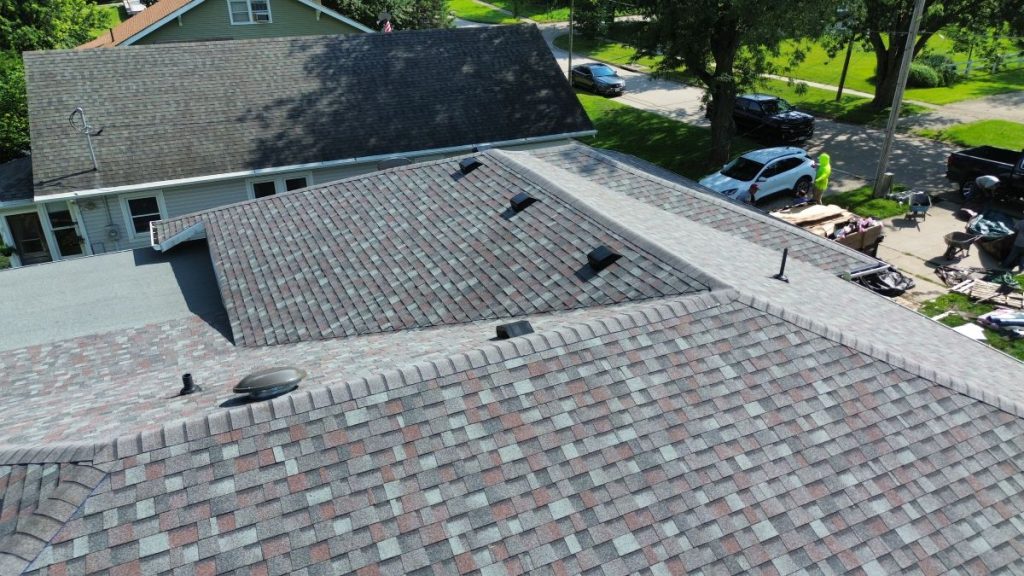
Your shingle choice affects far more than curb appeal. It determines how well your roof holds up against Iowa’s wind, hail, and freeze thaw cycles for decades to come. First Fruits Construction has helped homeowners across Johnston and surrounding areas weigh these exact decisions, walking through the real tradeoffs between architectural and 3-tab shingles so you can choose with confidence rather than guesswork. Whether you are planning ahead for a future replacement or dealing with a roof that needs attention now, our team is ready to give you an honest, no pressure assessment of what your home actually needs. If you would like a second opinion on your roofing options, contact us today and let’s find the right shingle for your home.
Category
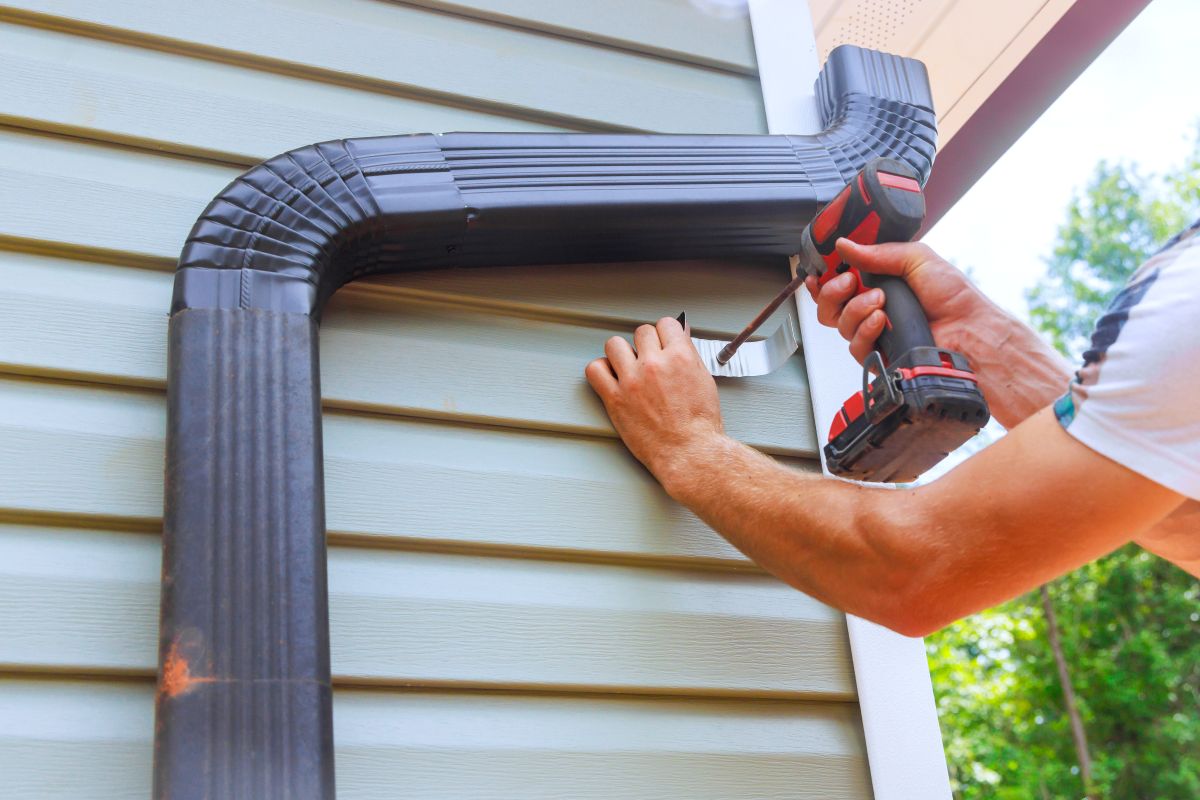
Gutter Installation: What Iowa Homeowners Should Know Before Getting a Quote
8 minute Read
Posted 9.10.26
A home’s gutters do more work than most people realize, quietly channeling thousands of gallons of water away from the roof, siding, and foundation every year. Picking up a few practical gutter installation tips before you request a quote can help you avoid costly surprises and make sure you are comparing apples to apples between contractors. For homeowners in Pleasant Hill and surrounding areas, understanding what actually goes into a proper installation matters just as much as the price on the estimate, which is why it helps to know what a team that handles exterior water management every day actually looks for before the work begins.
A few things worth knowing before your first quote:
- Why proper slope and sizing matter more than looks
- The real differences between seamless and sectional systems
- Questions worth asking before you sign anything
What Poor Gutter Installation Really Costs You
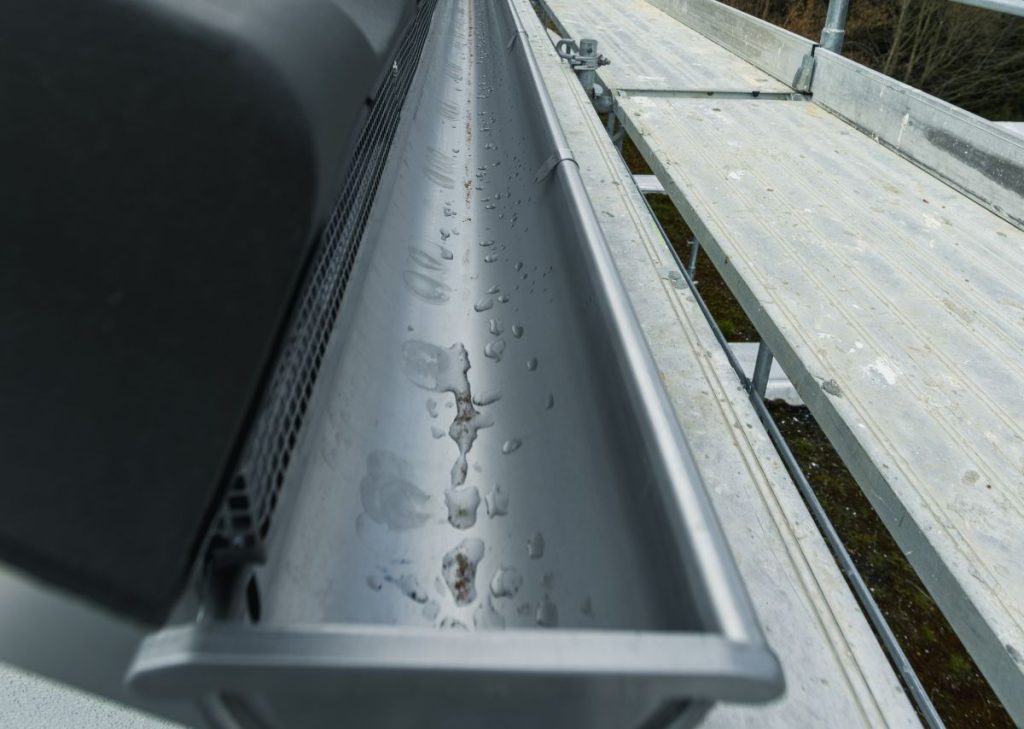
Gutters are one of those systems homeowners rarely think about until something goes wrong, and by then the damage is often already done. A poorly installed system can undo the benefit of even the best materials, so understanding what is at stake helps you take the decision more seriously.
- Foundation Protection: Properly sloped gutters carry water away from the base of your home instead of letting it pool and seep into the foundation.
- Landscape Preservation: Well placed downspouts keep heavy rainfall from eroding flower beds, mulch, and turf near your house.
- Basement Dryness: Correctly installed gutters reduce the chances of water finding its way into a basement or crawl space.
- Roof Longevity: A system that drains properly helps prevent water from backing up under shingles, which is part of why understanding how gutters and downspouts actually work is worth a few minutes of your time.
Skipping this research step is one of the most common reasons homeowners end up replacing a gutter system years earlier than expected. A small amount of upfront knowledge can save you from a much larger repair bill down the road.
5 Things to Know Before You Get a Gutter Quote
Getting multiple gutter quotes can feel overwhelming when every contractor seems to describe the job a little differently. Knowing what actually goes into a proper installation helps you tell a thorough quote from a rushed one.
1. Measure Your Roofline Correctly First
Before any materials are ordered, an installer should measure your home’s full roofline, not just estimate it from the ground. Accurate measurements determine how much material is needed and where seams or joints will fall.
- Roof pitch and length affect how much water the system needs to handle
- Corners and valleys often require extra attention during measurement
- Incorrect measurements are a common source of mid-project delays
2. Choose the Right Gutter Size and Style
Most homes use five inch K-style gutters, though six inch versions are increasingly common on larger rooflines that handle more water volume. The style you choose should match both your home’s architecture and the amount of rainfall your roof typically sheds.
3. Plan for Proper Slope and Downspout Placement
Gutters need a gentle, consistent slope toward each downspout, generally in the range of a quarter inch of drop for every ten feet of run. Downspouts are typically spaced every 30 to 40 feet and should carry water at least several feet away from the foundation.
- Too little slope causes standing water and premature rust or sagging
- Too much slope can look uneven from the street
- Downspout placement should avoid walkways, patios, and garden beds
4. Ask About Seamless vs Sectional Options
Seamless gutters are formed on site to match your exact roofline, while sectional gutters are assembled from pre-cut pieces joined together. Fewer seams generally means fewer potential leak points over the life of the system.
5. Factor In Gutter Guards and Maintenance
Gutter guards can reduce how often you need to clear out leaves and debris, but they are not a substitute for occasional inspections. A qualified installer should be able to explain which guard style, whether foam inserts, mesh screens, or reverse curve covers, fits your property best.
Taking the time to understand these five factors before you request a quote puts you in a much stronger position to evaluate what each contractor is actually proposing. It also makes it easier to spot a quote that is cutting corners on materials or labor.

Gutter Materials and Styles Worth Knowing
Not all gutters are created equal, and the material behind the finish plays a bigger role in performance than most homeowners expect. Understanding the basic categories makes it easier to have an informed conversation with your installer.
Aluminum, Steel, and Copper
Aluminum is the most common gutter material because it resists rust, is lightweight, and holds up well across Iowa’s temperature swings. Steel gutters offer added strength for areas with heavy snow load, while copper is prized for its appearance and longevity, though it comes at a significantly higher price point.
K-Style vs Half Round
K-style gutters have a flat back and a decorative front profile that resembles crown molding, and they are the standard choice on most modern homes. Half round gutters have a smoother, curved shape that is often chosen for historic or higher end properties where appearance is a priority.
Choosing the right combination of material and style ultimately comes down to your home’s architecture, your local climate exposure, and your long term maintenance preferences. A knowledgeable installer should be able to walk you through these tradeoffs rather than simply defaulting to whatever is easiest to install.
DIY vs Professional Gutter Installation
Some homeowners consider installing gutters themselves to save money, and for a very small, simple roofline that can occasionally work out fine. For most homes, though, the tradeoffs are worth understanding before picking up a ladder.
The Case for DIY
A straightforward, single story home with an uncomplicated roofline can sometimes be a reasonable DIY project for a homeowner comfortable with ladder work and basic tools. Even then, getting the slope and hanger spacing right is easy to underestimate.
The Case for Professional Installation
Multi-story homes, steep rooflines, or properties with several valleys and corners benefit significantly from professional measurement and installation. A professional crew also carries the right safety equipment and typically backs the work with a labor warranty, which matters if something needs adjustment down the road.
Most homeowners land somewhere in the middle, comfortable handling gutter cleaning themselves while leaving the actual installation to a professional crew. That balance tends to protect the investment without requiring a large amount of hands-on time throughout the year.
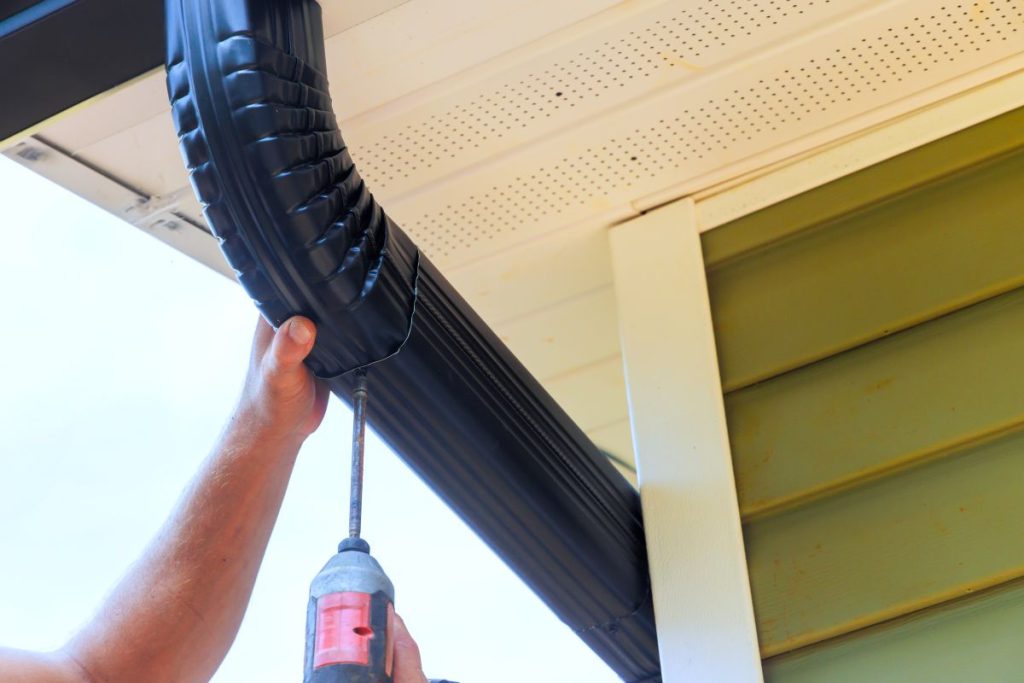
Frequently Asked Questions About Gutter Installation Tips
Choosing a new gutter system brings up plenty of practical questions, especially for first time homeowners. Here are the ones we hear most often from homeowners in Pleasant Hill and surrounding areas.
How Long Does Gutter Installation Typically Take?
Most standard residential gutter installations can be completed in a single day, though larger or more complex rooflines may take longer.
How Often Should Gutters Be Cleaned?
Most homes benefit from having gutters cleaned at least twice a year, typically in spring and fall, with more frequent cleaning near overhanging trees.
Are Seamless Gutters Worth the Extra Cost?
For most homeowners, yes. Fewer seams generally means fewer opportunities for leaks to develop over time, which can reduce maintenance needs and extend the life of the system.
Can New Gutters Be Installed Over an Old Roof?
Gutters are attached to the fascia board rather than the roof itself, so in most cases they can be installed or replaced without affecting roofing work, as long as the fascia is in good condition.
Do Gutter Guards Eliminate the Need for Cleaning?
Not entirely. Gutter guards reduce debris buildup significantly, but occasional inspections are still recommended to catch any issues before they become bigger problems.
If you are still weighing your options, a conversation with a local installer can help you match the right system to your home and your budget.
Get a Gutter Quote You Can Actually Trust
Gutters may not be the most exciting part of a home, but getting the installation right protects everything from your foundation to your landscaping for years to come. First Fruits Construction has helped homeowners across Pleasant Hill and surrounding areas choose the right materials, sizing, and slope for their specific property, so the system actually performs the way it should. Whether you are dealing with an aging system or planning ahead for a new build, our team is ready to walk you through your options honestly, without any pressure to upgrade beyond what your home actually needs. If you would like an expert opinion before comparing quotes, contact us today and let’s make sure your next gutter system is built to last.
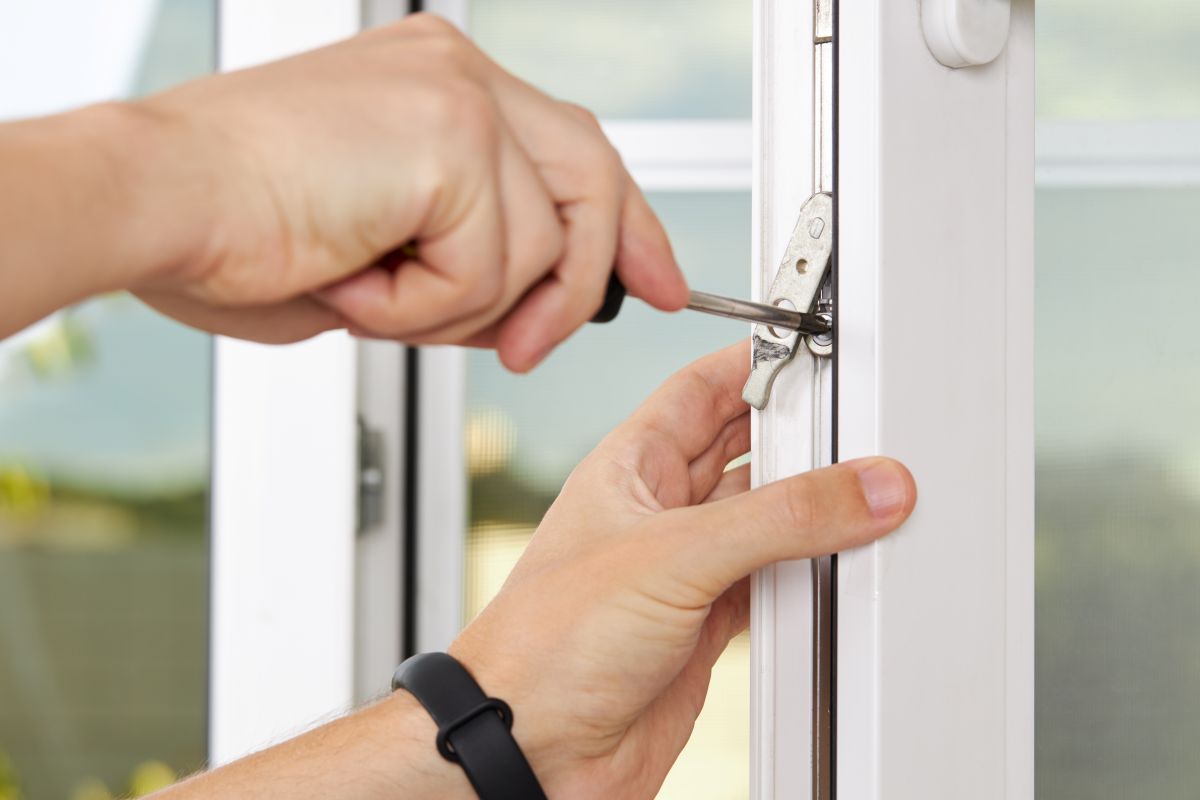
Category
Replacement Windows Cost (2026 Iowa Pricing Guide)
8 minute Read
Posted 9.10.26
If you have started researching new windows, one of the first questions on your mind is probably “what is the cost to replace my window?”, and the honest answer is that it depends on more factors than most homeowners expect. Frame material, glass type, and the number of windows in your project can all shift the final number significantly. For homeowners in Ankeny and surrounding areas planning a window project for 2026, understanding these cost drivers ahead of time makes it much easier to compare quotes from a team that walks Iowa homeowners through this exact decision every day.
Here is a quick look at what this guide breaks down:
- What actually drives window replacement costs up or down
- Typical price ranges by frame material and window type
- Whether replacing all your windows at once saves money
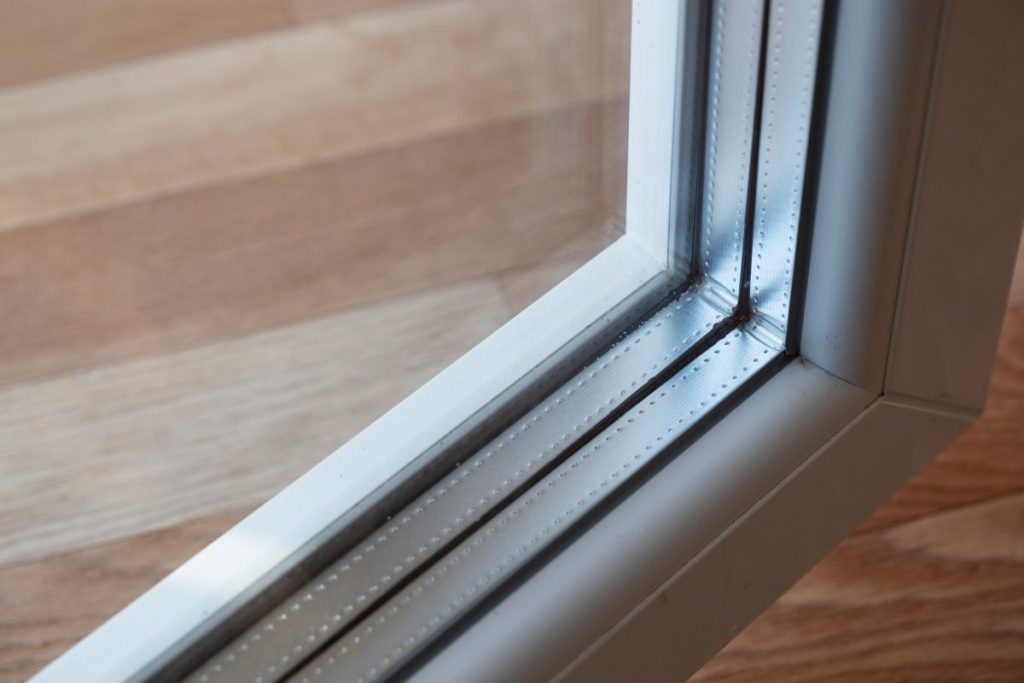
What Drives the Price Tag Higher or Lower
Window replacement is a significant investment, and the price you are quoted depends on a combination of choices rather than a single flat rate. Understanding these variables ahead of time helps you avoid sticker shock and spot a quote that seems unusually high or suspiciously low.
- Energy Savings: Higher performing glass packages cost more upfront but can meaningfully reduce heating and cooling bills over time.
- Home Value: Updated windows are consistently one of the better returning home improvement projects at resale.
- Comfort: Better sealed, properly installed windows reduce drafts and outside noise year round.
- Long Term Durability: Quality frame materials hold up better against Iowa’s freeze thaw cycles, which affects how often you will need to budget for repairs.
According to recent national data, full project costs typically land in the thousands of dollars depending on how many windows are being replaced and what materials are chosen. Knowing where your priorities fall between cost, efficiency, and appearance will make the entire quoting process far less stressful.
7 Factors That Affect Your Window Replacement Cost
Two homes with the exact same number of windows can end up with very different quotes, and the reasons usually come down to a handful of specific choices. Walking through each factor makes it much easier to understand where your own project will likely fall.
1. Frame Material
Frame material is one of the biggest cost drivers in any window project. Vinyl tends to be the most budget friendly option, wood and fiberglass sit in the middle to upper range, and premium fiberglass or clad wood frames can push costs considerably higher.
2. Glass Type and Pane Count
Single pane glass is rarely used in new installations today, with double pane being the standard choice and triple pane commanding a noticeable premium. Low-E coatings and gas fills between panes also add cost while improving energy performance.
3. Window Style
Simple styles like double hung or sliding windows are generally less expensive to install than more complex styles.
- Casement and awning windows often cost more due to their hardware
- Bay and bow windows require additional structural work
- Custom shapes or oversized openings increase both material and labor costs

4. Number of Windows Being Replaced
Replacing every window in the home at once typically lowers the average cost per window compared to tackling one or two at a time, since installers only need to set up and clean up their equipment once.
5. Installation Complexity
Homes with unusual framing, historic construction, or difficult access points require more labor hours, which increases the total project cost regardless of the windows themselves.
6. Energy Efficiency Features
Upgrades like advanced weatherstripping, argon gas fills, and high performance Low-E coatings add to the upfront price but often pay for themselves over time through lower utility bills.
7. Brand and Quality Tier
Not all windows are manufactured to the same standard, and higher quality brands with stronger warranties generally come with a higher price tag that reflects longer expected lifespans.
Understanding how these seven factors interact gives you a much clearer picture of why two quotes for the same number of windows can look so different. It also helps you decide which upgrades are worth prioritizing within your specific budget.
Typical Cost Ranges by Window Type
Every homeowner’s project is different, but having a general sense of typical price ranges makes budgeting far less intimidating. These figures reflect broad national averages rather than a guaranteed quote for any specific home.
- Vinyl Windows: Generally the most affordable option, often landing on the lower end of the national per-window range.
- Wood Windows: Known for a classic look, typically priced in the middle to upper range due to material and finishing costs.
- Fiberglass Windows: Durable and low maintenance, usually priced above vinyl but competitive with higher end wood options.
- Aluminum Windows: Common in commercial settings and older homes, generally less expensive than wood or fiberglass but less energy efficient in cold climates.
National pricing data places full whole-house projects anywhere from several thousand dollars up to well over ten thousand dollars, depending heavily on the number of windows, materials selected, and any structural repairs uncovered along the way. Prices also tend to vary somewhat by region, since local labor rates and building code requirements can shift the final total. Getting a detailed, in-person quote is the only reliable way to know where your specific project will fall within that range, since online calculators cannot account for the condition of your existing frames or any unexpected repairs.
Replacing Windows in Phases or All at Once
Budget constraints lead many homeowners to wonder whether it makes more sense to replace windows gradually or tackle the entire home in a single project. Both approaches have real tradeoffs worth understanding before you commit.
Replacing in Phases
Spreading window replacement across a few years can make the expense easier to manage month to month, and it allows you to prioritize the rooms or windows in the worst condition first. The tradeoff is a slightly higher cost per window each time, since installation crews are setting up and tearing down more frequently.
Replacing All at Once
Doing every window in a single project often reduces the average cost per window by a meaningful percentage, since materials can be ordered in bulk and labor is consolidated into one visit. This approach also means your entire home reaches the same energy efficiency standard immediately, rather than having a mix of old and new windows for several years.
There is no universally correct answer here, since the right approach depends on your budget, timeline, and how urgently certain windows need attention. A knowledgeable installer should be able to walk you through both scenarios with real numbers specific to your home rather than generic estimates.

Frequently Asked Questions About Window Replacement Cost
Budgeting for new windows brings up a lot of practical questions, especially for homeowners going through the process for the first time. Here are the ones we hear most often from homeowners in Ankeny and surrounding areas.
What Is the Average Cost to Replace One Window?
National averages generally fall somewhere between a few hundred dollars and over a thousand dollars per window, depending heavily on frame material, glass type, and installation complexity.
Does Replacing All My Windows at Once Save Money?
In most cases, yes. Bundling the entire project together typically lowers the average cost per window compared to replacing them individually over time.
Are More Expensive Windows Always Worth It?
Not necessarily. Higher upfront costs often reflect better energy performance and longer warranties, but the right choice depends on how long you plan to stay in your home and your specific priorities.
Will New Windows Lower My Energy Bills?
Many homeowners see a noticeable reduction in heating and cooling costs after upgrading from older, drafty windows, though the exact savings vary based on your home’s current condition.
How Do I Get an Accurate Price for My Home?
The only reliable way to get an accurate number is through an in-person assessment, since window count, sizing, and any structural repairs all factor into the final quote.
If you are still comparing options, a conversation with a local window professional can help translate these general ranges into real numbers for your specific home.
Ready to Get a Real Number for Your Windows?
Window replacement costs can feel overwhelming when every source online seems to quote a different number, but understanding the factors behind the price makes the process far less stressful. First Fruits Construction has helped homeowners across Ankeny and surrounding areas navigate exactly these decisions, walking through material options, energy efficiency upgrades, and realistic budgeting without any pressure to overspend. Whether you are replacing a single drafty window or planning a full home upgrade, our team is ready to give you an honest, detailed quote based on your actual property. If you would like a personalized estimate instead of another general online average, contact us today and let’s find the right windows for your home and your budget.
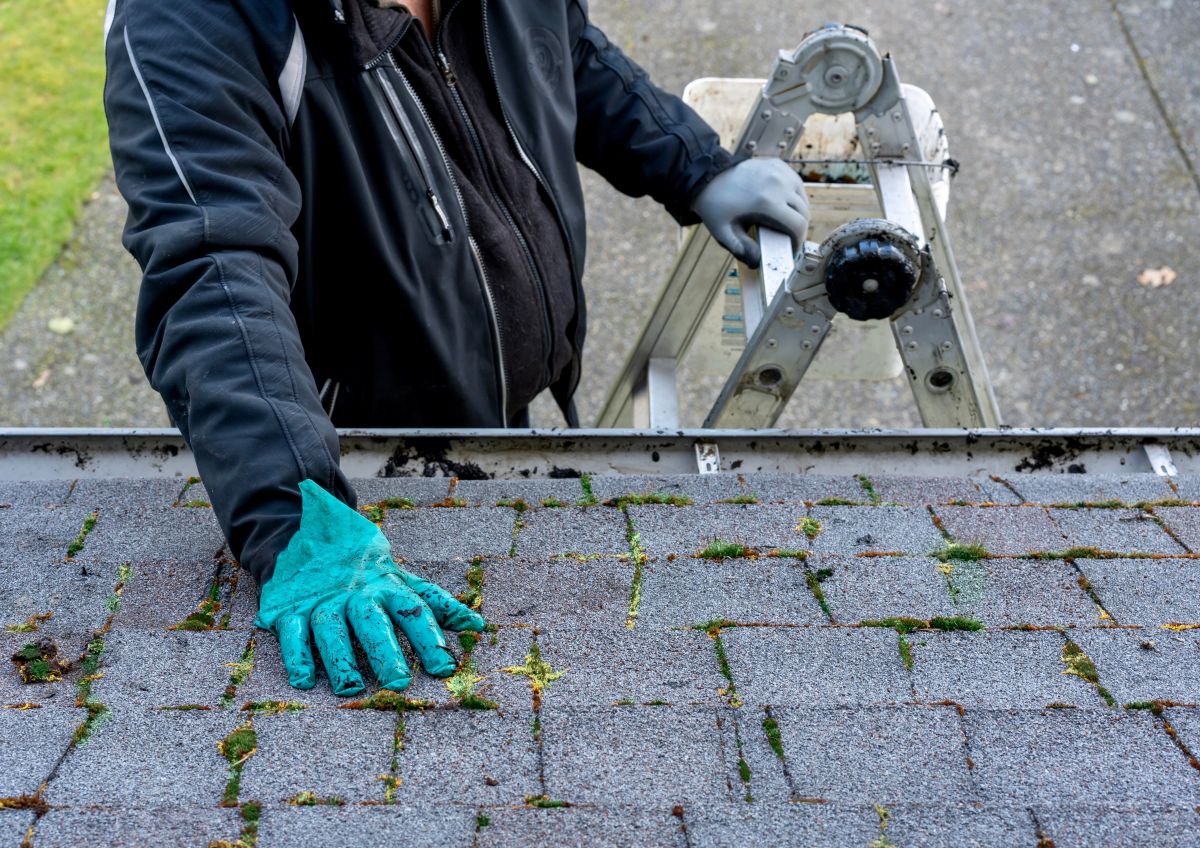
Category
Roof Inspection: What a Professional Finds That Homeowners Miss
8 minute Read
Posted 9.10.26
Most homeowners only think about their roof when a leak shows up on the ceiling, but by then the damage has usually been building for months. A thorough roof inspection catches problems long before they turn into an expensive repair, which is exactly why a trained eye matters so much more than a quick glance from the driveway. For homeowners in Grimes and surrounding areas, understanding what actually happens during a professional visit makes it much easier to see the value in a team that spends its days finding what everyone else drives past.
A quick preview of what this guide covers:
- The specific things a professional checks that a homeowner usually cannot see
- What actually happens during a proper inspection, step by step
- How to tell which warning signs you can assess yourself
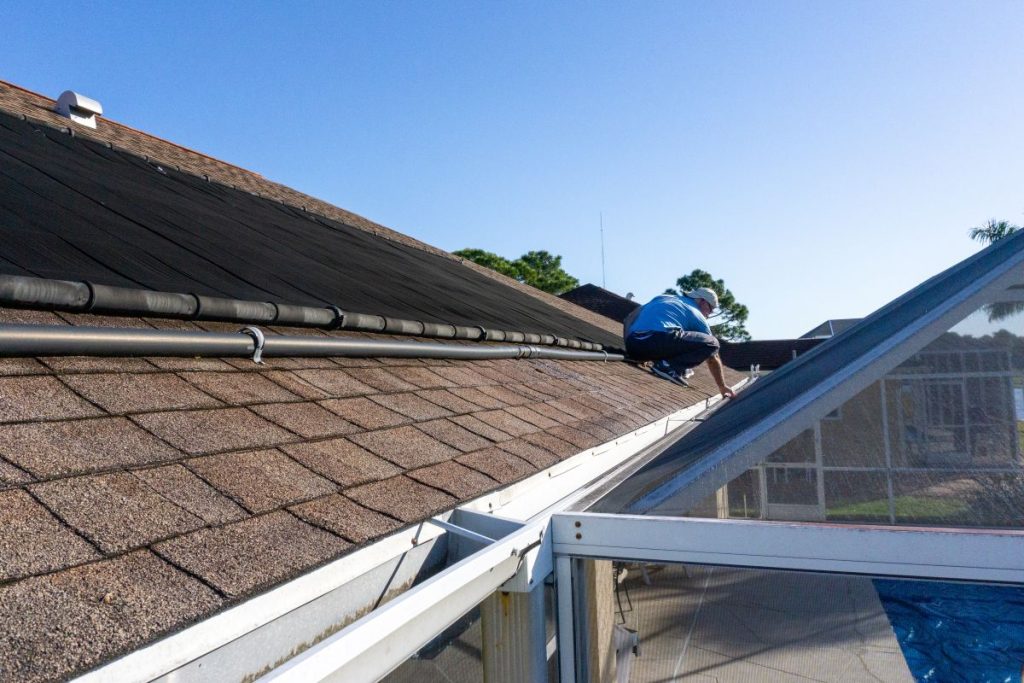
Why a Trained Eye Catches What a Glance From the Ground Cannot
A roof can look perfectly fine from the yard while quietly developing problems that only become obvious once they have caused real damage. Understanding why professional inspections matter helps explain why skipping them so often ends up costing homeowners more in the long run.
- Early Detection: Small issues like lifted flashing or granule loss are far cheaper to fix before they lead to leaks.
- Insurance Documentation: A professional report creates a paper trail that can support future claims after a storm.
- Safety: Walking a roof to inspect it properly requires equipment and experience most homeowners simply do not have.
- Long Term Savings: Catching wear early consistently costs less than replacing water damaged decking, insulation, or drywall later.
Even a detailed exterior and interior checklist can miss things when it is followed casually rather than systematically, which is part of why experience matters as much as the checklist itself. Investing a little time in understanding this process now can save you from a much larger and more stressful repair later.
8 Things a Professional Roof Inspection Uncovers That Homeowners Miss
A roof inspection is not just a quick walk around the yard looking up at the shingles. Professionals are trained to look in specific places for specific warning signs that rarely show up to an untrained eye.
1. Cracked or Lifted Flashing
Flashing around chimneys, vents, and roof valleys is one of the most common failure points on any roof, and small cracks are nearly impossible to spot from ground level.
2. Granule Loss on Shingles
Shingles gradually shed the protective granules on their surface, and heavier than normal loss is often an early sign that a roof is nearing the end of its useful life.
3. Soft or Spongy Decking
Walking the roof allows an inspector to feel for soft spots in the decking underneath the shingles, which usually indicates trapped moisture that has already begun causing damage.
- Soft decking often means the underlayment has failed in that area
- Left unaddressed, it can eventually lead to structural sagging
- This issue is essentially impossible to detect without walking the roof
4. Signs of Pest or Animal Entry
Small gaps near the roofline or soffit can allow squirrels, birds, or insects to get into the attic, and inspectors know exactly where to look for these entry points.
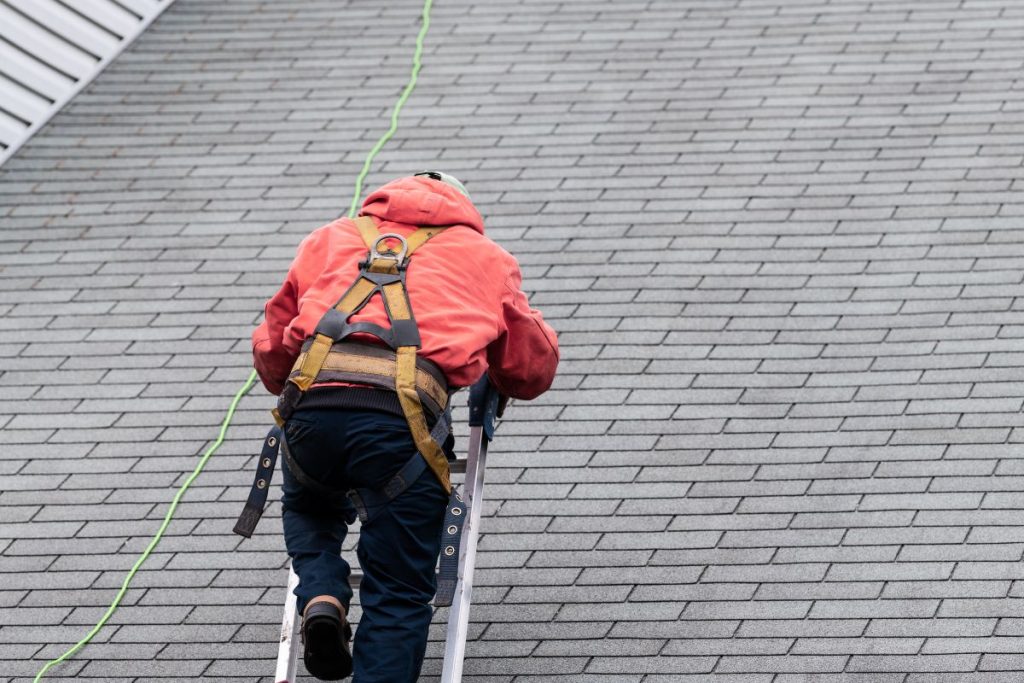
5. Improper Previous Repairs
A previous owner or a rushed repair job can leave behind mismatched shingles, exposed nail heads, or improperly sealed patches that create future leak points.
6. Ventilation Problems
Poor attic ventilation traps heat and moisture, which accelerates shingle aging from the underside in a way that is completely invisible from outside the home.
7. Attic Moisture and Mold
A full inspection includes checking the attic itself for water stains, damp insulation, or early mold growth, since these signs often appear well before a ceiling stain does.
8. Wear Around Roof Penetrations
Vents, skylights, and chimneys all create seams in the roofing system, and these penetration points are consistently among the first places a roof begins to fail.
Taken together, these eight issues explain why a professional inspection uncovers so much more than a homeowner walking the yard with a pair of binoculars. Catching even one or two of these problems early can prevent thousands of dollars in avoidable damage down the road, and it often extends the usable life of the roof by several years in the process.
What Actually Happens During a Professional Inspection
Understanding the actual process behind a roof inspection helps set realistic expectations for what you will get out of the visit. Most thorough inspections move through a few clearly defined stages rather than a single quick look.
Exterior Assessment
The inspector starts by walking the roof itself, checking the overall condition of the shingles, flashing, and any visible wear along ridges and valleys.
Material Inspection
Next comes a closer look at the roofing material specifically, checking for cracked, curling, or missing shingles along with any staining from moss, rust, or trapped water.
Interior and Attic Check
The final stage moves inside the home, checking the attic and ceilings for water stains, damp insulation, or daylight coming through the roof deck where it should not be.
Walking through these three stages in order helps explain why a rushed, exterior-only inspection often misses the very problems that end up costing homeowners the most.
Ground Level Warning Signs vs What Requires a Professional
Some warning signs are genuinely visible to a homeowner standing in the yard, while others require the training and equipment a professional brings to the job. Knowing the difference helps you decide when a quick look is enough and when it is time to call someone out.
| Warning Sign | What It Might Indicate | Who Should Check It |
| Missing or curled shingles | Wind or age related damage | You can spot this, a pro should assess extent |
| Granules in gutters | Shingle wear nearing end of life | Professional evaluation recommended |
| Ceiling stains | Active or past leak | Professional inspection needed |
| Sagging roofline | Possible structural issue | Professional inspection required immediately |
Being able to spot the early, visible warning signs yourself is genuinely useful, since it tells you when it is time to schedule a closer look. Just keep in mind that the absence of visible signs does not mean the roof is problem free, since many of the most serious issues only show up once someone is actually walking the surface and checking the attic from the inside. A short conversation with a professional is often all it takes to put your mind at ease either way.

Frequently Asked Questions About Roof Inspections
Scheduling a roof inspection brings up plenty of practical questions, especially for homeowners going through the process for the first time. Here are the ones we hear most often from homeowners in Grimes and surrounding areas.
How Long Does a Professional Roof Inspection Take?
Most residential roof inspections take between 30 minutes and an hour, though larger or more complex roofs can take longer.
How Often Should I Get My Roof Inspected?
A general rule of thumb is once a year, along with an additional inspection after any major storm involving high winds or hail damage.
Can I Inspect My Own Roof Instead?
You can check obvious warning signs from the ground, but a full inspection involving walking the roof and checking the attic should be left to a trained professional for both safety and accuracy.
Does a Roof Inspection Cost Anything?
Pricing varies by company and the scope of the inspection, so it is worth asking directly what is included before scheduling.
What Happens After the Inspection Is Complete?
You should receive a clear explanation of any issues found, along with practical recommendations, so you can decide how to move forward without feeling pressured into unnecessary work.
If you still have questions about what to expect, a conversation with a local roofing professional can clear up most of the uncertainty before you ever schedule a visit.
Let’s Take a Closer Look at Your Roof
A roof inspection is one of the simplest ways to protect one of the largest investments in your home, yet it is also one of the easiest things to put off. First Fruits Construction has helped homeowners across Grimes and surrounding areas catch small issues before they became expensive problems, walking every roof with the same attention to detail whether it is a routine checkup or a post storm assessment. Our team focuses on education over sales, explaining exactly what we find and why it matters rather than pushing unnecessary work. If it has been a while since your last inspection, or you are simply not sure what condition your roof is in, contact us today and let’s get you a clear, honest answer.
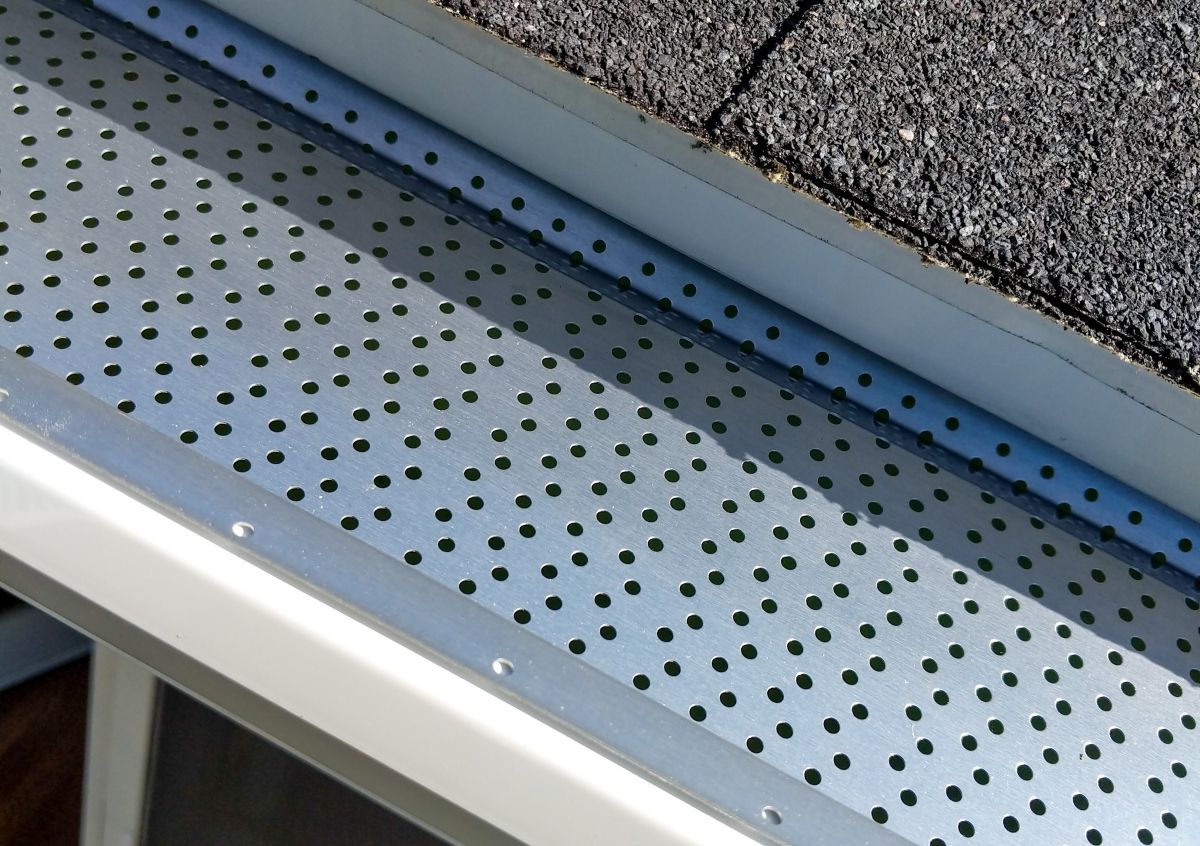
Category
Gutter Guards: Do They Actually Work in Iowa? (Honest Breakdown)
8 minute Read
Posted 9.10.26
Cleaning out gutters twice a year is nobody’s favorite weekend chore, and it only gets harder once you factor in ladders, wet leaves, and Iowa’s unpredictable weather windows. The benefits of gutter guards get talked about a lot online, but not every claim holds up once you look at how these systems actually perform in a climate with heavy tree cover, hard freezes, and sudden spring downpours. Homeowners often hear conflicting opinions from neighbors, contractors, and online reviews, which makes it hard to know what to actually believe before spending money on a system. For homeowners in Norwalk and surrounding areas trying to decide if guards are worth adding, it helps to hear an honest answer from a team that installs and maintains gutter systems across the state every season rather than a sales pitch.
A quick look at what this breakdown covers:
- What gutter guards actually do and do not solve
- The main types available and how they differ
- The honest limitations nobody mentions in the ads

What Gutter Guards Actually Change for Your Home
Gutter guards are not magic, but they do meaningfully change how often you need to think about your gutters and what kind of damage you are exposed to over time. Understanding the real benefits helps you decide whether the upfront cost makes sense for your specific property.
- Reduced Maintenance: A quality guard significantly cuts down on how often gutters need to be manually cleared out.
- Pest Prevention: Covered gutters are far less appealing to birds, rodents, and insects looking for a place to nest.
- Extended Gutter Lifespan: Less standing debris means less trapped moisture, which slows down rust and corrosion over time.
- Water Damage Prevention: Consistently clear gutters do a better job directing water away from the foundation instead of overflowing near it.
According to independent research into whether these systems are actually worth the investment, the value depends heavily on your specific property, including tree coverage and roofline complexity. Weighing these benefits against your own home’s situation is the first step before comparing specific guard types.
3 Reasons Gutter Guards Are Worth Considering in Iowa
Not every home needs gutter guards, but a few conditions common across Iowa make them worth a closer look for many homeowners. Understanding these factors helps explain why guards perform differently here than they might in a drier or less wooded region.
1. Iowa’s Tree Cover Means More Debris
Mature trees are a defining feature of many established Iowa neighborhoods, and that shade comes with a tradeoff in the form of leaves, seed pods, and small branches that regularly find their way into open gutters.
- Fall leaf drop is the most obvious source of clogs
- Spring seed pods and blossoms add a second wave of debris
- Homes near wooded lots often need cleaning more than twice a year without guards
2. Freeze Thaw Cycles Make Clogs More Costly
Standing water in a clogged gutter is a much bigger problem once temperatures start swinging below freezing, since trapped water can expand as it freezes and stress the gutter system itself.
3. Ladder Safety Matters More Than People Think
Gutter cleaning is one of the more common causes of fall related injuries around the home, and reducing how often anyone needs to climb a ladder is a genuine safety benefit that is easy to overlook.
Taken together, these three factors explain why gutter guards tend to earn their cost more reliably in Iowa than in regions with fewer trees and milder winters. Whether they make sense for your specific home still depends on your roofline, budget, and how much maintenance you are realistically willing to do yourself. Homes tucked under mature oaks or near a windbreak of evergreens tend to see the fastest payback, simply because they generate far more debris than an open lot ever would.
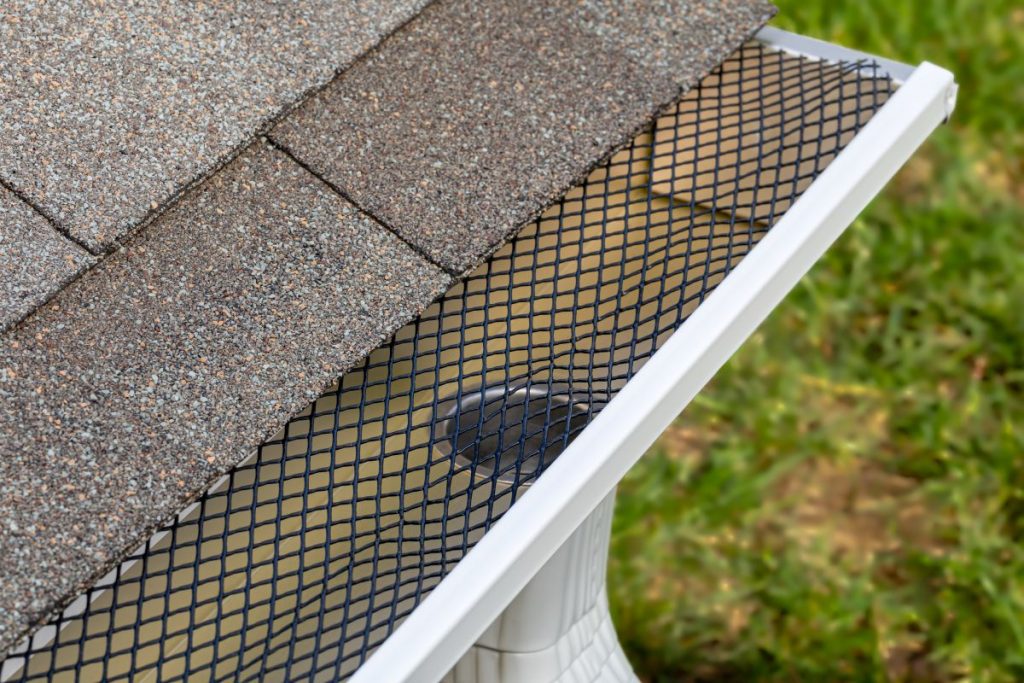
Types of Gutter Guards Explained
Not all gutter guards are built the same way, and the differences in materials and design have a real effect on performance and cost. Knowing the basic categories makes it much easier to have an informed conversation with an installer.
- Micro Mesh Guards: Fine mesh screens that block even small debris while still allowing water through, generally considered among the most effective options.
- Reverse Curve Guards: Solid covers that use surface tension to pull water into the gutter while directing leaves and debris over the edge.
- Foam Insert Guards: Porous foam that sits inside the gutter, blocking debris on top while letting water filter through, though they can degrade faster than other types.
- Brush Guards: Bristled inserts that catch larger debris on top, generally the most affordable option but also the least effective against fine debris.
Choosing between these categories usually comes down to balancing upfront cost against how much protection and longevity you actually need. A guard that performs well on a low-debris roofline might be a poor fit for a heavily wooded lot, so matching the product to your specific property matters more than picking whatever option is cheapest or most advertised. It is also worth asking an installer how each option handles Iowa’s freeze thaw cycles specifically, since not every guard is designed with that kind of climate stress in mind.
The Honest Limitations of Gutter Guards
Every gutter guard product on the market is marketed as a permanent fix for clogged gutters, but the reality is more nuanced than most advertisements suggest. Being upfront about the limitations helps set realistic expectations before you invest in a system.
- Not Fully Maintenance Free: Even quality guards need occasional inspection and light cleaning, especially after major storms.
- Upfront Cost: Higher end mesh and reverse curve systems carry a meaningful price tag that takes time to pay for itself in avoided cleanings.
- Ice Dam Risk: Poorly matched or improperly installed guards can occasionally contribute to ice dam formation in colder climates if not designed for the local weather.
- Fine Debris Still Gets Through: Cheaper foam or brush options can still allow small particles like pine needles or seeds to accumulate over time.
None of these limitations mean gutter guards are a bad investment, but they do mean the decision deserves the same careful consideration as any other home improvement project. A contractor who is honest about both the benefits and the tradeoffs is generally a better sign than one who promises a completely maintenance free system. If a salesperson tells you a guard will mean you never have to think about your gutters again, that claim alone is worth a second opinion.
Frequently Asked Questions About the Benefits of Gutter Guards
Deciding whether to add gutter guards brings up plenty of practical questions, especially for first time buyers. Here are the ones we hear most often from homeowners in Norwalk and surrounding areas.
Do Gutter Guards Really Stop All Clogs?
Not entirely. Even the best guards significantly reduce debris buildup, but very fine particles like pine needles or seed pods can still work their way through some designs over time.
Are Gutter Guards Worth It for a Home With Few Trees?
For homes with minimal tree cover, guards are more of a convenience than a necessity, since annual cleaning may already be manageable without them.
Can Gutter Guards Cause Ice Dams?
Poorly matched or improperly installed guards can occasionally contribute to ice dam issues, which is why choosing a design suited to Iowa winters and having it professionally installed matters.
How Long Do Gutter Guards Typically Last?
Lifespan varies significantly by material, with quality aluminum or micro mesh systems generally outlasting foam or brush options by a wide margin.
Should Gutter Guards Be Installed With New Gutters?
Installing guards at the same time as a new gutter system is often the most efficient approach, since the crew is already on site and can integrate everything as one project.
If you are still weighing whether guards make sense for your home, a conversation with a local installer can help you compare real options rather than generic marketing claims.
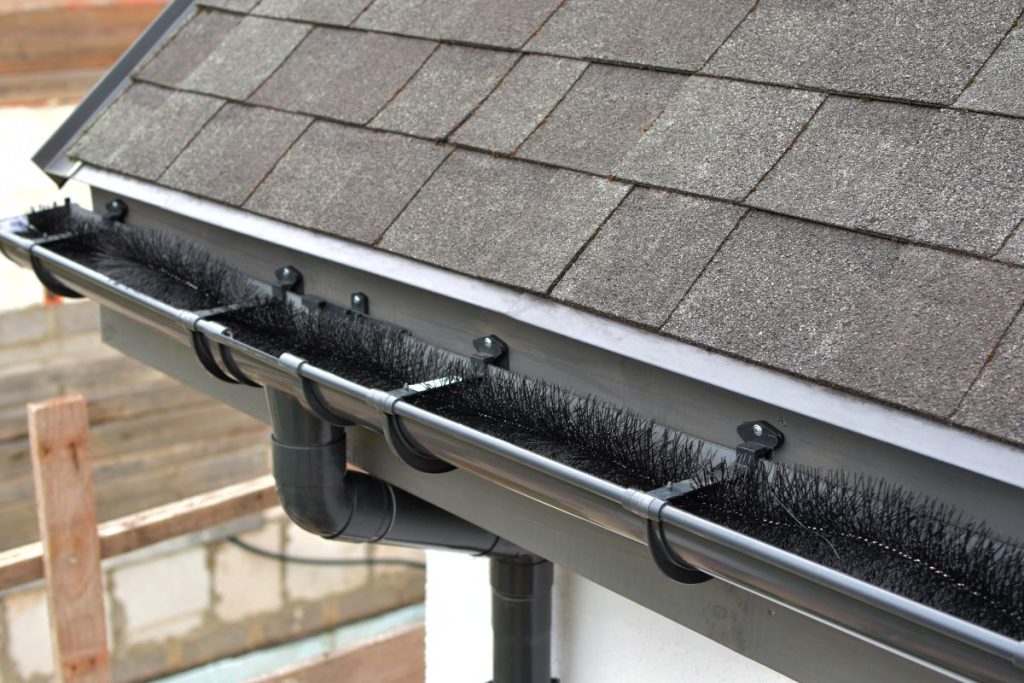
Get a Straight Answer About Gutter Guards
Gutter guards can genuinely save you time, protect your home from water damage, and reduce how often anyone needs to climb a ladder, but the right choice depends on your specific property rather than a one size fits all answer. First Fruits Construction has helped homeowners across Norwalk and surrounding areas weigh these exact tradeoffs, offering honest guidance instead of a one size fits all sales pitch. Whether you are installing new gutters or simply exploring whether guards make sense for your current system, our team is ready to walk you through the real pros and cons for your home. If you would like a straightforward opinion instead of another advertisement, contact us today and let’s figure out what actually makes sense for your property.