
Category
Roof Decking: What It Is, Why It Fails, and What Quality Replacement Looks Like
9 minute Read

Posted 10.6.26

Most homeowners never see their roof decking, but every shingle on the house depends on it. This layer of wood decking forms the base of your entire roof structure, and when it weakens, even brand-new shingles cannot do their job. Understanding when roof deck replacement is needed can help you avoid sagging, water infiltration, and repairs that cost far more later. Based on what we find while protecting Iowa homes from the top down, this guide breaks down what decking is, why it fails, and what a quality fix should include.
Here is what this guide walks you through:
- What roof decking does for your home
- The most common reasons decking fails
- What to expect from a quality replacement

Why Your Roof Decking Deserves More Attention
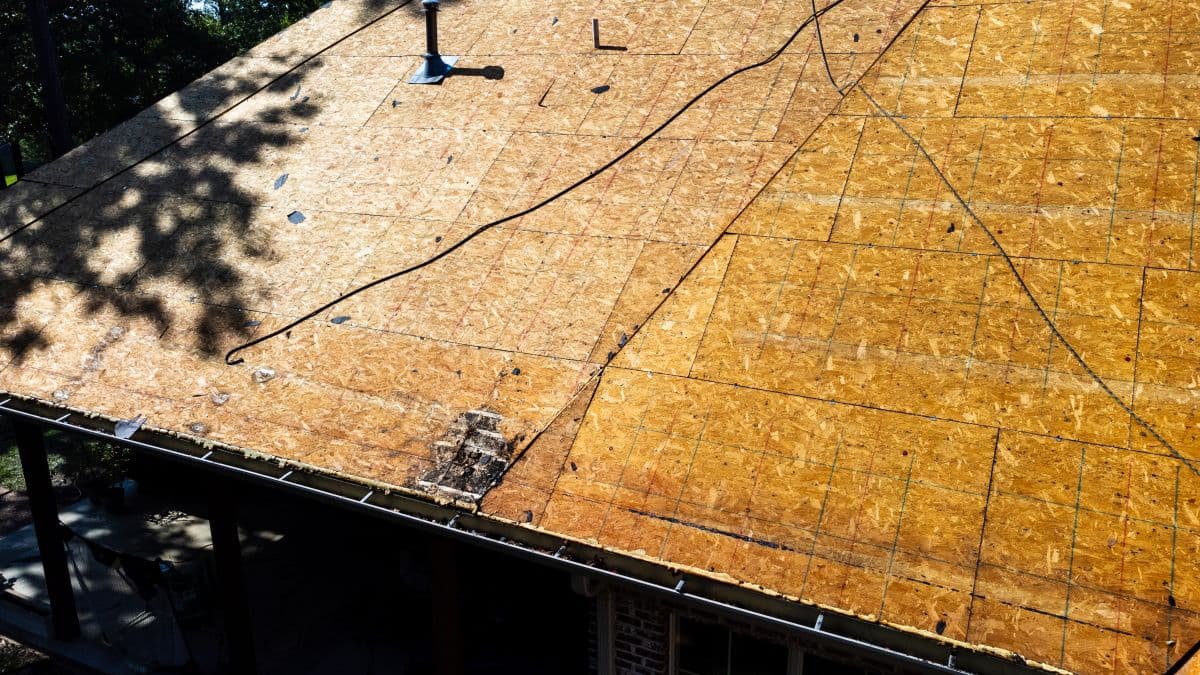
Roof decking, also called roof sheathing, is a continuous layer of wood panels or boards fastened directly to your roof rafters or trusses. It creates the stable surface that underlayment, shingles, and other outer roofing layers are attached to, which makes it the true foundation of your roof. In residential construction, most modern roof decking is made from either plywood or oriented strand board (OSB), while some older homes still have plank decking made from individual wood planks.
- Structural Support: Decking carries the weight of your roofing materials, snow loads, and foot traffic, helping preserve your home’s structural integrity.
- A Solid Nailing Base: Shingles and underlayment need a firm, even surface for proper shingle installation and secure fastening.
- Moisture Defense: Sound decking works with underlayment to keep water from reaching your attic and living spaces.
- Longer Roof Life: A healthy deck supports your roof’s longevity by helping shingles perform as designed.
For homeowners in Windsor Heights and surrounding areas, heavy snow, spring storms, and freeze-thaw cycles all put extra stress on this hidden layer. That is why decking condition should be part of every serious conversation about roof repair or replacement.
5 Common Reasons Roof Decking Fails
Roof decking is built to last for decades, but it is not indestructible. In most cases, damage develops slowly and stays hidden beneath the shingles until it becomes a bigger problem.
1. Long-Term Roof Leaks
Small leaks are the most common cause of decking damage. When water slips past damaged shingles, worn flashing, or failing pipe boots, it soaks into the wood little by little. Over time, moisture damage breaks down the wood fibers, leading to soft spots, delamination, and rotted wood.
2. Poor Attic Ventilation
Your attic needs to breathe. Without proper airflow, moist air from the home rises and condenses on the underside of the decking, especially during cold Iowa winters.
- Frost or moisture on the underside of the deck
- Dark staining or mold growth on the wood
- Rusty nail tips poking through the sheathing
3. Ice Dams
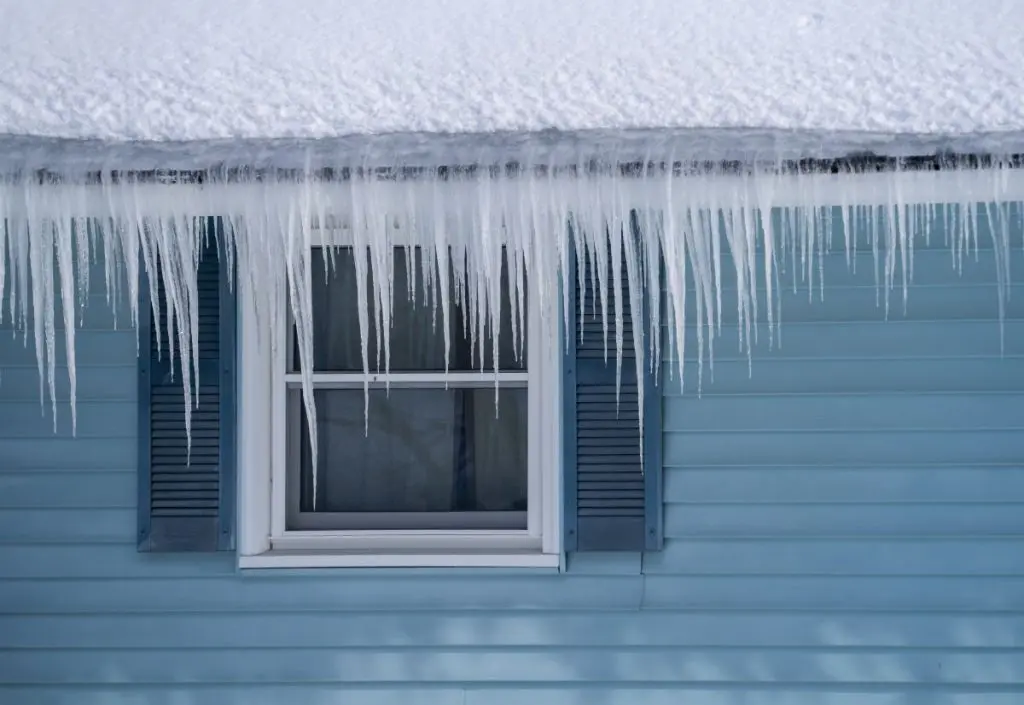
When snow melts on a warm roof and refreezes at the colder eaves, ice dams form along the edge. Trapped water then backs up under the shingles and sits against the decking, which is why damage often shows up first near the roof edges.
4. Age and Natural Wear
Even well-maintained decking eventually wears out. Decades of temperature swings, humidity changes, and minor moisture exposure can weaken the wood, loosen fasteners, and reduce its ability to hold nails securely.
5. Improper Installation or Layering
Decking that was installed with the wrong thickness, poor spacing, or inadequate fastening may never perform the way it should. Inadequate fastening can also leave the roof more vulnerable to wind uplift. A re-roof that layers new shingles over old ones adds extra weight and can hide decking issues that should have been addressed during the previous project.
Most of these causes have one thing in common: they are easy to miss without a close inspection. Catching them early can mean replacing a few panels instead of facing extensive damage that calls for a full deck replacement.
Warning Signs Your Roof Decking May Need Attention
Because decking sits beneath your shingles, you usually have to look for indirect clues. Some signs show up on the roof surface, while others are easier to spot during an attic inspection.
- Sagging or Dipping Rooflines: A roof that looks wavy or dips between rafters often points to weakened decking underneath.
- Spongy Spots: Areas that feel soft or bouncy when walked on usually mean the wood has absorbed moisture.
- Daylight in the Attic: Light shining through gaps in the boards can signal rot, shrinkage, or missing sections.
- Water Stains and Mold: Dark spots, streaks, or mold on the underside of the deck indicate ongoing moisture problems.
- Curling or Buckling Shingles: Shingles that refuse to lie flat may be sitting on a deck that has warped or shifted.
- Nail Pops: Fasteners backing out of the shingles can mean the wood beneath can no longer grip them securely.
Spotting one of these signs does not always mean your whole deck needs to be replaced. However, each one is a good reason to have a professional take a closer look before further damage develops.
What a Quality Roof Deck Replacement Looks Like
When decking needs to be replaced, how the work is done matters just as much as the materials used. A quality job addresses the damaged wood and the reason it failed in the first place, so the problem does not return.
A Complete Tear-Off and Careful Inspection
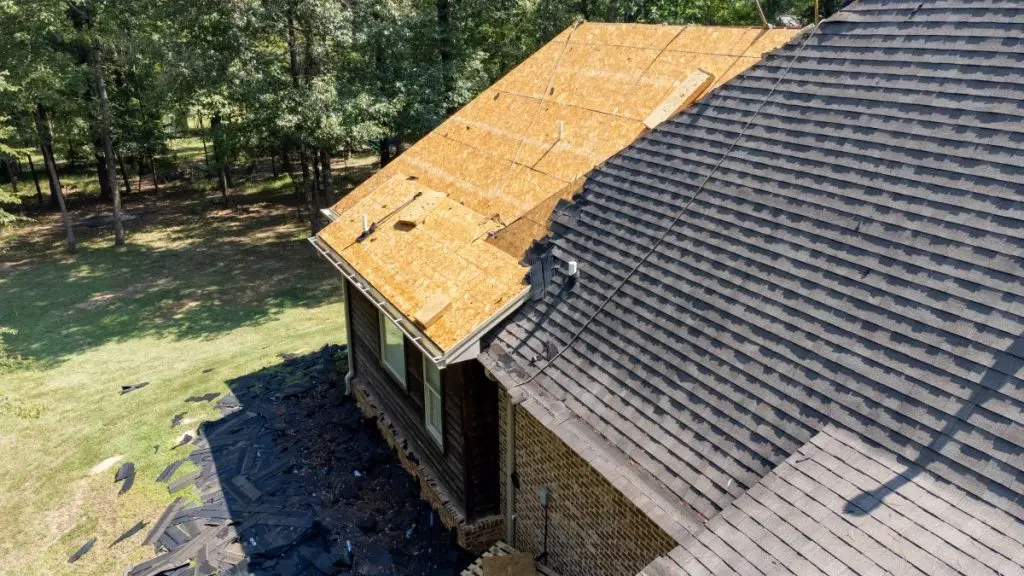
The only way to fully evaluate decking is to remove the old roofing down to the current decking. Once the deck is exposed, a quality contractor walks the surface, checks for soft spots, and documents damaged decking before any repairs begin. Many decking problems are only discovered at this stage, which is why a trustworthy roofer explains findings clearly instead of surprising you on the final invoice.
Matching Materials and Proper Fastening
Replacement panels should match the thickness of the existing deck so your new shingles lie flat, and the work should meet local building codes. Panels also need correct spacing to allow for natural expansion and secure fastening into the framing below.
| Feature | Plywood | OSB |
| Construction | Thin wood layers glued in alternating directions | Compressed wood strands bonded with resin |
| Moisture Resistance | Tends to dry out more evenly after getting wet | Can swell at the edges if exposed to prolonged moisture |
| Cost | Usually higher | Usually more budget-friendly |
| Common Use | Repairs and replacements in many homes | Widely used in newer construction |
Fixing the Root Cause
New decking will not last if the original problem remains. A quality replacement includes correcting ventilation issues, replacing failed flashing, and installing proper underlayment and ice and water shield along vulnerable areas like eaves and valleys. Correcting attic ventilation can even support better energy efficiency by reducing trapped heat and moisture.
Once the deck is solid, the new roofing system has the foundation it needs. At First Fruits Construction, we install trusted Owens Corning roofing products over that foundation, and our OSHA-certified team approaches every project with safety and care.
Frequently Asked Questions About Roof Deck Replacement
Decking is one of the least understood parts of a roof, so questions are completely normal. Here are answers to a few that homeowners ask most often.
How do I know if my roof decking is bad?
Common signs include a sagging roofline, spongy spots, daylight or water stains in the attic, and shingles that will not lie flat. A professional inspection is the best way to confirm the extent of the damage.
Can roof decking be replaced without replacing the whole roof?
Small sections of damaged decking can sometimes be repaired during a targeted roof repair. However, replacing decking is most often done during a full roof replacement, when the old shingles are already removed.
Is plywood or OSB better for roof decking?
Both perform well with proper installation and are standard on most asphalt shingle roofs. Plywood tends to handle moisture a bit better, while OSB is often more affordable. Different roofing materials can call for other options, such as spaced plank decking under wood shakes or metal decking on some flat roof and low slope roofs.
Why can’t a contractor tell me exactly how much decking needs replacing upfront?
Much of the decking cannot be fully evaluated until the old roof is removed. A trustworthy contractor will explain this ahead of time and keep you informed about any damage discovered during the project.
How much does it cost to replace roof decking?
Roof decking cost depends on how much damage is found, the decking material used, and local labor rates. Many contractors price it per sheet or per square foot, and a clear estimate should explain how any additional damaged decking found during tear-off will be handled.
How long does roof decking last?
When it stays dry and is properly ventilated, roof decking can last for decades and often outlives several layers of shingles. Leaks, poor ventilation, and ice dams are the main things that shorten its lifespan.
If you have other questions about the condition of your roof, our team is glad to talk them through. Getting clear answers now helps you plan with confidence instead of guesswork.
Build Your New Roof on a Solid Foundation
Your shingles get most of the attention, but your roof decking is what holds everything together. Knowing why decking fails and what quality replacement involves helps you protect your home from hidden damage and make smarter decisions when it is time for roof work. For families in Windsor Heights and surrounding areas, a structurally sound deck is the first step toward a roof that lasts.
First Fruits Construction is a family-owned roofing contractor that believes in honest guidance and quality craftsmanship. We offer free full property inspections, explain what we find in plain language, and provide financing options for larger projects. Homeowners throughout Windsor Heights and surrounding areas can contact us today to schedule an inspection and get clear answers about their roof.
Discover Better Roofing Today!
"*" indicates required fields
"Whatever you do, work at it with all your heart"
Colossians 3:23